Episode 29 · · 34:00
Reclaiming the Internet: Personal AI and Zo Computer
About this episode
Ben Guo was an early Stripe engineer and is a Brooklyn musician; Zo Computer is his bet on personal AI. He argues that a managed cloud computer plus autonomous agents can hand ordinary people back control from the platforms, calls the attention economy techno-feudal, and talks about building a company for love of the work rather than the exit.
- Agents & Software
- Founders & Startups
Guest
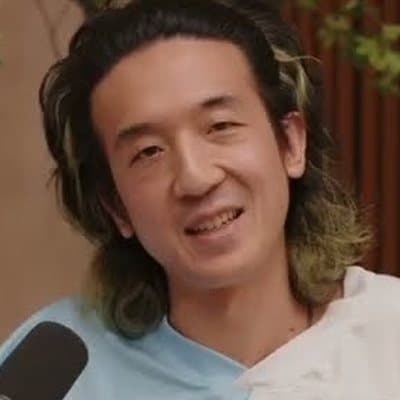
Co-founder & CEO, Zo Computer
Key takeaways
- Ben Guo contrasts OpenClaw’s DIY setup, installed on a Mac mini and maintained by hand, with Zo’s one-click managed cloud computer that comes with the agent and integrations ready. OpenClaw’s launch, he says, gave Zo a big tailwind.
- Guo argues AI should be framed as the next step in computers augmenting human creativity, not as replacement. He warns the labs’ replacement messaging is pushing society toward real unrest unless someone offers a viable alternative.
- On the “SaaS apocalypse,” Guo says Zo is selective and that a homegrown data system often beats off-the-shelf tools, but he predicts a Cambrian explosion of software rather than the end of selling it.
- Zo’s users prefer open-source models because they’re cheaper and often just as good, Guo says. Before Zo, the team ran an inference platform for open-source models, betting that smaller models need the right harness.
- Guo calls Meta losing Yann LeCun an unforced error. On US limits on sharing top Anthropic models abroad, he worries about the world splitting into separate pools of intelligence instead of globally available intelligence like the internet.
- Guo pitches Zo as “AWS for your mom,” and says his own mother uses it daily: she vibe coded her own website and self-hosts her software on her own personal server.
Transcript
Transcript generated automatically from the episode audio and lightly cleaned up (filler words removed, misheard names corrected where clear). Speaker labels were added afterward and may contain errors.
Rob May: Hi everyone, I'm Rob May. I'm the co-founder and CEO at Neurometric and this is the AI in NYC show. All right, so a couple housekeeping items. First of all, if you haven't watched the show before, you should go subscribe and check those out. And our guest today, but Ben Guo from Zo Computer.
Ben Guo: Yep, that's right.
Rob May: So, Ben, welcome to the welcome to the podcast. Let's talk a little bit about So, so I actually want to start with a New York thing, right? Because you are one of the very one of the more pro- New York guests that we've had. You've been here a long time and you're actually building a company in Bushwick, which is not where most of the tech startups are. So like what brought you to New York and like why did you decide to stay and build this company here instead of moving to you know Boston, Austin, Seattle, Silicon Valley, some other place?
Ben Guo: Sure. Yeah. I moved here in 2013 when I was a new grad. The first job was at Venmo kind of a classic back in the day New York startup. These were the days of like Tumblr and Kickstarter and Foursquare. Venmo was just like you know pretty hot at the time small team. Really young team and I was really attracted to like that kind of scrappy New York energy. They were like above like a massage parlor in like Chelsea, not not that far from here actually. It was it was it just felt like the kind of like startup vibe that I imagined when I was in college. And I don't know, back in the day like not that many people were getting into tech in general and even few were going to startups. So it it felt like kind of a high alpha move to do that. And I've just since worked at startups for a long time. Basically all
Rob May: you were you were at Stripe. Stripe had an office here.
Ben Guo: I was at Stripe in 2015. And I joined when they were quite small, like maybe like 100 engineers or so, maybe 80. And they didn't have an office here actually. They had this very small co-working space. It was really shitty. And it was just me and another engineer. And I spent some time in SF actually while I was at Stripe. I moved out there for a few years while I was just working on like an intense project. And I just missed New York while I was out there. I missed it so much. Tech SF tech is great in a lot of ways, but it it doesn't beat the lifestyle that you can have in New York and like the things that you're exposed to.
Rob May: Yeah. Yeah. No, I definitely agree. It's part of why we do this why we do this podcast. And so, what made you decide So, when you when you started the company, when you started Zo, did you have any impetus to actually think about moving somewhere else or were you like, "Nope, can do this in New York. Like, we'll make this work here. There's the investor base. There's the people we can hire." or all that kind of stuff.
Ben Guo: Yeah, I did think about it twice really. It's just obvious to build a startup in New York. A lot of my friends have built startups in New York from Venmo to like Grad. So, I kind of like know a bunch of like New York startup stories. And know that there's like a great group of founders in my friend group that are New York based. So, it felt like an obvious decision.
Rob May: Cool. What do you think about some of the main changes that you've seen since 2013 in the New York startup scene? Like it seems like it's gotten a lot better. It's particularly become a lot better for AI, I think, in the in the last couple years. And like what have you seen and what do you think are some of the things that have driven those changes?
Ben Guo: Yeah, I think the thing that I miss from back then is like the very New York ccentric tech companies. I think back in the day there was like Tumblr, there was Foursquare, there was Kickstarter out in Greenpoint and Venmo of course. And I think that's subsided. You know, like most startups that you hear about are like centered in SF nowadays, like headquartered out there. And I miss that. I think it's I can't think of a single kind of like startup that I know that's like headquartered here except maybe like Modal. But yeah, not that many kind of like consumer brands especially kind of based in New York.
Rob May: Part of it is everybody's distributed as well.
Ben Guo: Yeah, that is true. And so I think that I think that impacts it.
Rob May: But yeah, so all right. All right. So, tell us a little bit about the idea behind Zo Computer and what you're trying to accomplish.
Ben Guo: Yeah, so Zo was I would say the first kind of product to really put an AI agent inside of a computer in the cloud. Like we're kind of the first instantiation of this like open claw pattern. We started back in April last year. And yeah, we just always believe that like that is like the next model for like kind of like personal AI, but importantly like we put it in a cloud computer. Because I guess we had this like insight that the server has never been a consumer device. And like why not why not try to make a consumer grade server experience and kind of like give regular everyday people kind of like the powers of cloud computing which they've never had before.
Rob May: So, was it one of those situations where like it was really hard to raise money, nobody got it, and then OpenClaw launched and everybody was [laughter] like, "Oh my gosh, you guys are brilliant and we want to do your thing."
Ben Guo: It definitely helped, I'd say. Yeah, there's like this huge tailwind that happened after OpenClaw, which was awesome. People kind of like really get it now.
Rob May: For sure. Yeah. Okay. So, for people like a lot of people have heard of OpenClaw, but they don't necessarily know what it is. Yeah. And a lot of people don't understand sort of what these agents do. So like compare and contrast for us like what are some concrete tasks that people do with these agents and then how would you differentiate both on a usability level and on a technical level like Zo and Open Claw?
Ben Guo: Yeah, totally. So I guess like you know we started with like kind of chat bots that we would ask for kind of answers to questions and now we're kind of like in this world where like an agent can really do things for you and you can like reliably like connect it to your tools and have it like do tasks for you. Whether that's like coding or like building websites or automating some part of your life or or work. And you know the OpenClaw model is very DIY. You kind of like have to install it somewhere like set it up on a Mac mini and then kind of like make sure it doesn't like break upgrade it etc. There's just a lot of kind of like technical work that is pretty daunting I think for the regular person. And Zo is in a lot of senses kind of a one-click kind of like version of that.
You just like get this kind of like managed cloud computer with your agent running inside of it and like all of these integrations kind of ready to go. So it's a much like easier starting point and also easier to operate once you have something running in Zo.
Rob May: So you've you've you've talked a little bit about AI as like this extension of human creativity and sort of the collaboration that we're going to have with these machines as it goes forward. You know, what do what do you think are some of the gaps to achieving that? Are they are they technical? Are they cultural? Like do we do do you see that people are just like reluctant to turn some of their information over to these agents? Or or is it more that like there's just still they're not they're not efficient enough? They're not high quality enough. Like what are the problems that need to be solved on both sides of that?
Ben Guo: Yeah, lots of answers there, but one that I think is really interesting is the more cultural point. I think like the way that kind of AI tools and workflows are kind of like marketed to people is often about kind of like replacing the human. That's kind of like what these big labs are are doing what they're kind of like scaremongering. And I think that there's a different narrative that what we have here is really the same evolution of like kind of computers to begin with. Computers have always been this kind of like amazing creative tool for like augmenting like human potential and creativity and I think AI is just kind of like the natural evolution of that and it's this ability to like leverage computers better than we've been able to ever before for like a much larger segment of the population.
Rob May: Gotcha. And how do you think the adoption curve I is going to grow? Like where do you think it's going to start? Like who are the people that you're seeing lean into this first?
Ben Guo: Yeah, I think really it's kind of like people that can see the clear ROI on these things that they're doing. So often it's people that are kind of like maybe higher leverage to like their solarreneurs, SMB owners, and they just kind of like want to like have better work life balance to like kind of get more things done to be more on top of their work and their life. And you can see with these people that like work and life often really blurs. I think in that that audience like the personal agent makes a ton of sense. And also like kind of like owning your own tools and your stack also makes a ton of sense. So you see this in like the OpenClaw community, but also in basically everybody that's kind of a little bit AI curious but maybe nontechnical. I think they're often of this like kind of like solarreneur builder shape.
Rob May: And so how do you guys think about using these things internally? Like do you use a lot of agents internally? You know, are you a Claude Code shop? Are you a codec shop or whatever? And how's that evolved since? Like I don't know if you feel this way, but I always tell people this sort of like I don't know late November, early December release of Claude Code last year like was a tipping point for me in a lot of ways. And so I'm curious if you guys have used these and if you've been using them a long time, like what has the what have the step functions been like and how do you change sort of how you manage it over time?
Ben Guo: Yeah, totally. I'd say that like we're a Zo shop at this point. We've hired a lot of kind of our growth nontechnical folks who just have come from our user base like people that are really passionate about so and like building cool stuff but often nontechnical but like kind of like systemsminded. I think that's like generally what I look for when I look for kind of like a non-technical hire. On the technical side we do a lot of kind of our like internal tooling and like even coding with Zo itself. Like we have like a data zo and we have like a kind of like community growth zo and it's very useful to have these kinds of like places that store our like kind of shared context and data and workflows.
But when it comes to like kind of like vibe coding I guess like we were somewhat early to this we me and my co-founder we were like really into ader which was kind of like Claude Code before Claude Code in like 2024 and just like even though it was quite janky and hard to get it to like really cook with the right kind of like methodology which was like at the time like lots of like in-depth planning and like research like aided by AI and then like kind of like letting it cook on the plan. That's really informed I think like how we generally like code with AI these days.
Rob May: Yeah. And so writing a lot of your internal tooling has that given you a perspective on the like the public markets have been very focused on this SaaS apocalypse idea that like these SaaS companies are going to die and there's I there's a couple schools of thought right one is they're all going to die because people write their own stuff. There's some people that are like, well, they offer some networks and, you know, contexts and things that might remain some value, but they won't be worth what they were. And there's some people that are like some will die, but there's some things like even if you could write your own payroll system, you never would, right? So, like where are you on that spectrum of what you think is going to happen with SaaS based on your experience with Zo?
Ben Guo: Yeah, I think we are selective about the SaaS tools that we choose in terms of like whether we should build ourselves or not these days. I think it's quite easy to build a really good data system on your own these days and often it'll actually be better than what you might get off the shelf. But I like I think in the long run I feel like there will be a Cambrian explosion of software. Some of it will be monetized like SaaS, some of it might be monetized in different and new ways. But I don't think like selling software is going anywhere.
Rob May: Yeah. So, how do you think about startups as an expression of sort of the founders? And I asked this because I know we have some show notes that you're a musician and I'm trying to think of the name of the fund. I talked to a fund the other day and their whole thing is like entrepreneurs are sort of like artists and they're like they're creating something. It's on a canvas like what do you see? Well, tell us a little bit about your musical background and then like do you see parallels there to building a company?
Ben Guo: Yeah, totally. It's actually funny that our office is in Bushwick because back in the day I played in a band. It was like a synth punk band. I played synth and like we practiced like just a couple blocks away from our office and like played shows in the same area. So it very much felt like kind of the startup experience like especially the early startup experience like being in a band. You're you're here with this group of people. You're trying to make it on this kind of like scene. The odds are against you. Odds are against you and like you know you kind of like perform for this audience and sometimes they you're just kind of like trying to feel it out and you're getting user feedback like when you're performing and then like when you really make it like people are singing along to your top songs and like that's when I really felt like we had product market fit like we would go to play like a house show and like people would like you know sing along to our our songs and that that was like a sick feeling and that's the same feeling that I think I'm looking for as a founder today.
That's like what drives me personally is like that sense of product market fit which maybe is like a little different from like the standard sense of it. It's much more kind of like feel-based. It's like when I talk to a user and they're like tears come to their eyes when they talk about like what Zo enabled for them. That that's like the feeling I'm looking for.
Rob May: Yeah. Yeah. Yeah, I mean I kind I kind of agree and I think one of the things that you get as an entrepreneur that's always frustrating when you're raising money is there's times where you're like no no no like I can feel it like it's coming right and you're like I know it doesn't show up in the metrics yet but like it's the interest is building and you know you're you're having a different set of conversations with people and so you know the other thing that I think is interesting is how do you think about the idea that like so a lot of startups fail a lot of bands fail both of them and it's not always not always a reflection on maybe the underlying talent like like really to be good enough to play in a band that can go get shows is like you're probably a pretty competent musician, right? And I think similar like you know over the last 10 years I've I've made 135 investments and founders of all types and most of them are pretty good by the standards of whatever job they could get at whatever company and how they could do in their career and but obviously most of them sort of don't make it.
And so how did you think about starting a company from from that perspective of like well the odds are against us but like did you feel like ah this is an idea that can beat the odds or like I don't care about the odds or you know your your music experience was like I just do it for fun like what was your attitude going in?
Ben Guo: Yeah it's a good question. So I worked at Stripe for like eight and a half years. I was there pretty early so like for me it's much less about kind of like making money I'd say. And it's more the love of the game if anything. And I guess like for me that means that like founder market fit is like more important than than maybe like to other folks. It's like I really have to believe in it from like my whole soul for me to like really want to do it because like I'm not doing it for some exit. I guess I'm doing it to like as an artist, like you do something to like basically like change the way that people see the world. And I think that's kind of why I'm a founder.
Rob May: What do you think has been the biggest difference between like being at a startup versus running a startup and maybe like what your expectations were during that change? Was there anything that really like woo did not expect that to be an issue or something that really surprised you?
Ben Guo: Yeah, I think the thing that really surprised me is that it it really is a one-way door for me at least. I don't think there's any going back to kind of working for somebody else's startup. And it's hard to describe exactly why I feel that way. It's like it's not a great lifestyle [laughter] to be a founder, you know. It's a it's a grind. But just the way that like your life and your relationship to work shifts and it's extremely unique and I think I don't know. I feel like I see the world differently. And it's hard to imagine going back to seeing the world the old way.
Rob May: Well, I mean, you mentioned at the beginning, I don't remember, I think before the show started, you were talking about how so many of your friends are like founders of other companies. I found a similar thing when I did my first startup because it's there's there's so few people like a lot of your friends that aren't startup founders will be so like, "But you're the boss. Why can't you just take off?" Like, [laughter] you don't understand. I actually have all the pressures on me at the end of the day to make sure things get done. And it's like I actually have less time sometimes than other people. Yeah. So yeah, that's an issue. So, where where do you think all this is going? I mean, you're you've got a front row view. You're creating an agent that people are going to use. What's the impact that these things are going to have on future startups, on society?
Like, like are you a big believer that like tools like Zo are going to drive the one person billion dollar company someday or do you think that's insane? You know, do you do you think these things are going to dramatically expand the scope of how the economy can grow or or what's your what's your big picture vision here of the impact this can have?
Ben Guo: Yeah, I definitely think there will be outlier outcomes. Like I think the indie hacker like Pieter Levels, there will be many more people of that shape that are like very empowered and enabled by these tools. But I guess personally I'm much more interested in kind of like the non-outlier outcomes like the people that are just like running their small business or like just you know have an idea and want to like kind of make it succeed on the internet. And I think like the larger story for me has always been this idea of like reclaiming the internet. The internet has been kind of like terraformed by these like large companies. But it was originally built for us for the people by the people and we kind of like lost control of it and now I think with these AI tools we can like take back control. We can like have a server we can like kind of deploy our own software and like build software which has never really been possible for regular people before.
So that's what is exciting to me about this this time in technology and the internet. And I really hope that we end up in a place where like the internet is like much more owned by the people and there are many more services that are owned collectively by by people and not corporations.
Rob May: Do you think to really enable that are you going to need more than a technical solution? Like do you think you're going to need some cultural changes in how people think about the internet? Are you going to need legislation changes to make some of that happen?
Ben Guo: Yeah, I think I think we're all living in the matrix and I think many more people need to wake up to this idea that we're like in this like suboptimal version of our digital world. And I think once people see that and once there's kind of like a movement around that, which I think you can already see like people are very skeptical of like big tech and AI, I think like leaning into that and like kind of extracting the real thing there, which is like a dissatisfaction with like technology and like the state of affairs I think can lead to like change from the ground up. And I think that's what I'm excited about really enabling with with Zo.
Rob May: Yeah, I've talked about it on the podcast before, but I find it really interesting that there's sort of two pieces to it. One, I think tech has been a little bit naive in that every time a new technology comes around, whether it's, you know, Twitter or the iPhone or whatever, we always as tech people, the general point of view has been like, hey, the tech is neutral and it could be used for good or bad, it's the user. But I don't know if that's always actually true. I think there's some tech that leans itself you know one way or the other towards more certain types of uses and then the other problem I think is so like I don't know how it is today but like when I was in college if you were a civil engineer actually most types of engineering you're required to take an ethics course because you can't be like you know let's skimp on the concrete and waste the money because the bridges fall down buildings fall down.
Yeah. But if you're an electrical engineer, a computer science major, you did not have to take an ethics course. And so you ended up with this whole situation where you had, you know, some of the best and brightest minds in the country in computer science working for companies that were trying to get you like click on more ads primarily. And I think nobody ever stopped to ask like is this a good thing? Like should we be doing this?
Ben Guo: Totally. So yeah, I totally understand your point around this. Yeah, for sure. This is kind of an unhinged topic but you know Peter Thiel he talks about I'm not Peter Peter Thiel.
Rob May: Yes.
Ben Guo: He talks about the antichrist. Yeah and his his like notion of the antichrist is like this like kind of like one world government or whatever that's like you know very liberal. I don't believe that's the Antichrist. But I do believe we already have the Antichrist. And I think it is like the current like kind of like technological regime that we're in, the kind of like attention economy, this like kind of like state of affairs where we're kind of like just like slaves to like algorithms and like kind of like big tech companies and like this like kind of technofudal system that like monetizes our data and our attention and leaves us as as peasants. So I think the antichrist is alive and well today. I'm not Christian or anything, but I think like that that concept is here and it is actually like sucking the life out of humanity. And I think it's like very important to change that.
Rob May: Yeah. I don't understand why there haven't been better better solutions to this. I mean, I heard Stephen Wolfram was in front of Congress a couple years ago and actually proposed this idea that you should make social media companies have several algorithms that you can choose from, right? So, you sort of get to pick like how you want to be fed information. Totally. Seems very simple, seems very fair on both sides and like we haven't seen that kind of adoption and I you know I assume it's the you know it's the lobbying from the tech industry to sort of prevent that kind of stuff.
Ben Guo: Yeah. Yeah. Stephen Wolfram is one of my personal heroes. I love him. Yeah. [laughter] Yeah. He's a very awesome dude.
Rob May: How how do you think about how all this impacts AI going forward? Like we're in this age where, you know, we've made some mistakes maybe with previous versions of technology. Like what do you think has to happen? So, let me back up. How much are you like, hey, to make AI work, we need to be handsoff versus to make AI successful, we need to be a little more hands-on and put some regulations around it.
Ben Guo: Yeah, I'd say that like it's a complex topic on the regulation front, but I do feel very strongly that we are hurtling [clears throat] towards a very dangerous place in our society where like the messaging is all about kind of like replacement and like I think replacement actually will happen and there will be a lot of unrest because of that and I think if we don't change the narrative or like present a viable alternative I think we'll be in a very bad place.
Rob May: Well related to that let's talk about some news that's happened in the last couple days that that fits some of these topics. So I think one of the big pieces that came out is you know Meta who I would say maybe two years ago might be like have been like the leader in open source models with their early llama models and all that kind of stuff totally made sense highly technical company and has really had a lot of stumbles and has lost not only did I think they they lost maybe with their maverick you know set of models but then seem to almost like throw up their hands and give up acquire scale AI under one of these like weird not really an acquisition deals and now I think people from the outside looking in are like what is Meta's AI strategy and what they're doing and now it's also hit that the news that came out was Zuck has kind of come out and been like yes there have been a lot of mistakes internally
and like like you've been inside like you must have seen I mean Stripe strikes me as a pretty well-run company but you still I think have probably seen like how choices maybe get made differently as as companies get bigger like do you have any guesses as to like what like what do you think might have happened inside of meta or like where do you think they should play or or or do they have a role in the open source ecosystem?
Ben Guo: Yeah, it's very interesting. It's very sad that they lost Yann LeCun. I think that was like definitely an unforced error on their part. And yeah, I think they have like this very unique kind of like opportunity to like bring AI to the masses. And they fumbled a lot on on that.
Rob May: It's feels like they should be building something like what you've built. How do they miss the personal agent market?
Ben Guo: Yeah, totally. Totally. Yeah, it's interesting. Yeah, I think like somebody has to like raise the flag for open source AI. I don't know if like the vibe is right for Meta to be doing it. So I'm not surprised I guess that they have like abandoned that. I don't know who kind of like rises to raise that [clears throat] flag. But yeah.
Rob May: Do you guys use a lot of open source models at Zo or do you do you roll your own, fine-tune your own, use Frontier Labs? What do you do?
Ben Guo: Yeah, we our users actually prefer the open source models because they're cheaper and often like just as good. I think especially like in kind of like the kind of consumer or kind of like everyday person audience like they're very like kind of price sensitive. So I think open source has a very important role to play. Yeah. I think I think people shouldn't have to think about like what model they're using. It just be good and cheap and fast. And yeah, I feel very strongly that like open source will eventually be a dominant force in this the space.
Rob May: Yeah, it makes sense. Like why would you I mean you can understand closed frontier models for really sophisticated use cases that were difficult to train where it's worth $500 per million tokens for whatever you're doing but for email summarization and you know customer sentiment analysis and those things you're like models have been able to do that for a long time.
Ben Guo: Yeah totally. The funny story actually before Zo we were actually an inference platform so we served open source models this like back in the day of like before foul and when like replicate was around and yeah we've always believed that like kind of there's more juice to be squeezed out of these like smaller models you just kind of like need the right kind of like harness essentially. Yeah. Yeah. Yeah. Yeah.
Rob May: Yeah, I mean I could just tell you like sidebar some of the stuff that we've seen in neurometric is like let's say you have a model that's maybe a 70 billion parameter model that can do something out of the box. You could probably cut that in half size-wise. Yeah. If you do some finetuning or some other some of these other techniques, right? U get smaller. If you want to do some clever harness engineering that's like task specific, you can probably cut it in half again. Totally. And so you know you can make these things like cheaper and faster. But there's a lot of there's a lot of variation here. Like like we see a lot of times that like maybe you know all eight billion parameter models are not the same in what they can do. Some can do a task and some can't. So like the Mistral, the Gemma, the Qwen series, a lot of what you look at like it's there's there's a lot of this like random variability to them and I think that creates a lot of problems.
Ben Guo: Yeah. Yeah. Totally. So yeah.
Rob May: We'll see what what Meta ends up doing. What do you think about sort of before Zo was able to do a lot of coding? You mentioned a tool that you used earlier. Did do you did you ever use cursor Claude Code or any of those and you know what do you think about SpaceX buying cursor?
Ben Guo: Oh yeah. Yeah. I'm pretty bullish on on cursor in general. Yeah I have always been kind of a cursor stand and user. Still one of my preferred kind of like human in the loop kind of like ID experiences out there. I also use like Claude Code. I kind of like him. Yeah, polyamorous when it comes to agents, I guess, including Zo. But, yeah, I feel strongly that Cursor is cooking some cool stuff. I'm excited about them like training larger models like they did Composer, but I think they're cooking up a larger model.
Rob May: The acquisition make you more excited about their future or make you more worried about what might happen to them?
Ben Guo: More excited. I think they'll have more compute, more resources to just make the experience much better.
Rob May: Yeah. Yeah. I mean, we'll see if they can pull off all these like space-based data centers, right? There's a lot of a lot of concerns about the heat dissipation.
Ben Guo: Yeah. Yeah. I don't know about that that side of SpaceX, but I think on the AI side, I feel I feel pretty good that there'll be something interesting there.
Rob May: Yeah. Okay, that's cool. And then what do you think about what's going on? I like I find it very odd today that came out the day we're shooting the show, Trump is at the G7 event and the United States sort of came out and said like they were not going to give access to the top Anthropic models to other countries like even like the UK and people that are very close allies to us. So like that's one side but at the same time I mean time I mean a few weeks ago the government banned using those models because they couldn't use them in the way they wanted. So I'm like, so it's a little bit weird, but to be like these models are so powerful, we can't give you access, but also like we're not going to use them because we don't like the limitations on them and everything else. Like how do you like it makes no sense to me and like you know what do what do you think is going on and like what do you think the government I guess let's start with the question of like do you think the US government should be involved in deciding who can get access to some of these top tier models?
Ben Guo: Yeah, I think it's back to the regulation question, you know, like obviously like the more intelligent these models get, the kind of like more dangerous they will be. I think that's like very real. But can you stop the floodgates, right? I mean, if like like how much further like I don't think that like Anthropic is so far ahead of you know Alibaba or definitely a Google or so you know what Yeah, for sure. And I worry about the world kind of like fragmenting into these like kind of like kind of like civilizational like pools of intelligence. Like I don't I don't think that's like a world I want to live in. I want to live in like kind of global globally available intelligence that everybody has similar to the internet. So I hope that like things don't kind of like fragment in the future though it feels like we're heading towards that future which is unfortunate.
Rob May: Well, I worry that the US government is setting this precedent that it's okay for countries to control this very tightly, which is fine when we're in the lead, but what if in 18 months we're not in the lead? Yeah, totally. You know, and we, you know, if we said we I think we should be signing treaties and standards right now that say like, hey, we're all going to agree that this is how we're going to collectively govern this because I worry that it's hard to keep in a box.
Ben Guo: I agree with that for sure.
Rob May: Yeah. Yeah. Well tell us a little bit before we wrap up about some of the common use cases like like if I'm just a user and just a you know I run a small business I'm a relatively sophisticated consumer and I'm like I've heard about openclaw it was too hard to set up Zo sounds cool like what are some common things that you see people do with Zo and like how does it work to get set up and like what kind of capabilities does it have?
Ben Guo: Yeah. So I think the really cool thing about so besides the fact that it's like just easy to set up and maintain is that it's a it's a cloud environment. It's like not just a server but we give you kind of like cloud infrastructure that you control. So we really think of ourselves as like a cloud provider. So one way that we've labeled ourselves is like AWS like for your mom. Like AWS is never going to be like the right fit for your mom. But Zo can be. And because Zo is kind of like this cloud environment, you can host things in it. So you can host websites. Lots of our users are just like building websites. And also like other tools that they kind of like control and are self-hosting really like in their own kind of like cloud infrastructure which honestly is like mindboggling to me. It's like my mom actually uses it a lot every day.
And she has her own website that she vibe coded and she she has her own personal server which I never thought I would be saying but she is self-hosting her own software in her own personal server. All of her data is in her own kind of like cloud environment. And I think that is like the future. This like kind of sense of sovereignty over like your data and your tools and like what this kind of like personal cloud has like access to and who can access it.
Rob May: Yeah. Interesting. Well, we always like to wrap up on a New York related question. So, we were talking earlier about before the show about Bushwick, but so I want to go there and since you were a musician and we talked a little bit about that. What's your favorite place to either play or see m live music in Bushwick?
Ben Guo: Good question. It's been a long time since I have like gone to like a band show in Bushwick. I think like mostly people are DJs nowadays. I really like nowadays. Nowadays it's kind of like a an old old venue in New York that's like still running strong. Really great. It still has like the same vibe as before. It's more for like dance music, but it's really awesome. So, definitely check it out. It's not really in Bushwick. It's kind of like further east, but it's awesome.
Rob May: Yeah. Yeah, that counts. I don't really I don't go to Brooklyn very much. I'm pretty Manhattan based. So I sort of don't have an answer for that question.
Ben Guo: No worries.
Rob May: But, and then what's the zo.computer web?
Ben Guo: This is zo.computer.
Rob May: Is it zo?
Ben Guo: Yeah, zo.computer or zo.computer and both work. Yeah, check it out.
Rob May: Well, Ben, thanks for being a guest on the podcast.
Ben Guo: Thank you.
Rob May: And those of you watching, you should definitely check out zo.computer. See if it's a good fit for you. Like the podcast, go watch some of our episodes, send us guests, ideas, everything else. And, thanks for watching. Heat. Heat.