Episode 8 · · 01:05:15
Why Nonprofits Need AI
About this episode
Decoded Futures is a Tech:NYC Foundation initiative backed by Robin Hood and Google that helps nonprofits put AI to work. Jenni Warren and Jake Porway make the case that the social sector can’t sit this technology out, in a conversation the show itself calls wide-ranging, philosophical, and fun.
- Work, Talent & Education
- Culture & Society
Guests
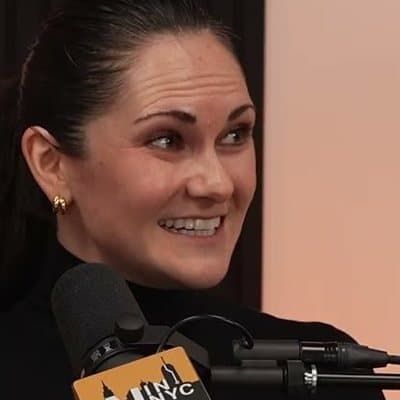
Program Director, Decoded Futures

Entrepreneur-in-Residence; co-founder of DataKind, Decoded Futures
Key takeaways
- Jake Porway says the biggest change since his DataKind years is the barrier to entry: nonprofit staff once spent weeks learning dashboards, while Decoded Futures participants now build custom GPTs in a day and put them to work.
- Porway recalls a nervous, self-described non-techie at an OpenAI nonprofit training day who used ChatGPT to plan her clothing donation logistics, then to email potential corporate donors, and got a reply the same day.
- Jenni Warren describes HeartShare’s “Eddiebot,” built in an eight-week Decoded Futures cohort: an advocate that holds a nonverbal client’s preferences, from food to music, so new staff can ask it instead of making him wait.
- Porway says small nonprofits have a short-term edge. One founder built a grant-writing bot, answered a $100,000 call for proposals due in 24 hours, and won. Longer term, he expects foundations to screen spammed proposals with bots.
- Each cohort pairs a nonprofit with a volunteer tech mentor for a few hours a week, mapping the problem before choosing any tool. Porway says volunteers learn too, trading the “oral tradition” this non-deterministic technology requires.
- Discussing the essay “Friction Was the Feature,” Rob May compares AI content to early blogging and predicts “a valley of slop death,” while Porway suggests the social sector offers lessons in choosing quality over quantity.
Transcript
Transcript generated automatically from the episode audio and lightly cleaned up (filler words removed, misheard names corrected where clear). Speaker labels were added afterward and may contain errors.
Ryan Eppley: All right, welcome back to AI in New York City. I'm your co-host, Ryan Eppley,
Rob May: and I'm Rob May, one of your other co-hosts, the CEO of Neurometric. Close the door, please. The next All right. Our guests today are Jake Porway and Jenni Warren from Decoded Futures, which we have nice mugs they brought us, you can see, and hats, which we'll wear on on another show. Before you guys introduce yourselves, I want to tell everybody out there, we have new intro music. It was written by Will Kenzeroni, who is the keyboardist for Vampire Weekend. So, it's like very legit. He did an awesome job. And, I'll play it for you now. Let me know what you think.
Ryan Eppley: All right. Hey. Hey. Excellent work. I think that was my first time hearing it, not in my headphones. I listened to it on a train so many times as you like, hey, what do you think about this? Fun to hear it out loud.
Rob May: Yeah. Yeah. So Jake Jenni, welcome to the podcast. I first question, what did you think about the intro music?
Jenni Warren: Fantastic. Yes.
Jake Porway: Feels like riding the subway. Feels very New York. Subway undertones and if I ever have Vampire Weekend do anything for me, I'll love me.
Ryan Eppley: It's fantastic, right? That's awesome. That sounded great.
Rob May: Well, let's get started. Why don't you each give us like, you know, sort of 60cond background on yourself and then and then tell us a little bit about Tech:NYC and then how that fits into the Decoded Futures stuff you're doing.
Jake Porway: Yeah, sure. Well, I'm Jake Porway. I'm here with entrepreneur and residents over at Tech:NYC helping decoded futures out. And I started out as an AI researcher back in the day and I got, you know, so enamored with the technology that, you know, we're all building and excited about what it could do for the world, but did find it a little unsatisfying that most of my peers and myself were doing great stuff with tech to, you know, help people click on ads or, you know, generate a dog on a surfboard, which is great, very cool. But it also felt like there were all these social organizations, you know, in the in the city and across the country that were doing great things for the world but didn't have access to that tech. So that was kind of my jump back in 2011 maybe. I was at the New York Times and left to start a nonprofit called DataKind, which was a New York-based nonprofit where data scientists would volunteer with nonprofits. Started my buddies Drew Conway and Craig Barowski here. And then here being New York. So that went on for a while. It was great. But that was sort of my introduction to like technology and the social sector. And I got so into all the cool problems you could solve with technology on that front.
Well, fast forward, I figured, you know, 10 years through that, fresh off our hands. We're like, we got it. We all figured out. And then a couple years ago, ChatGPT came out. We're refaced that question of how do we use AI for social impact. So, it's very exciting to get back into it. So, that's what brought me to Decoded Futures, which I'll tell you a little bit more about later.
Jenni Warren: Cool. Yeah. So Jake comes at this from the tech side of things, and I actually come at this from the learning side of things. My background is in building graduate programs, fellowships, doing international development work. And so I came to technology as a means to an end. I was consulting with edtech organizations and just small shops that were trying to get things off the ground and was using AI and building agents myself for little chat GPTs about a year and a half ago pretty regularly. And when this opportunity came up, it just felt like a really cool intersection to say, you know, for New York, how could you think about all of the community work that's happening? I've been involved in education in New York for a long time. How could we leverage this new technology that I had really quickly seen, you know, exing 10xing my impact. How could I be a part of giving access to people that didn't have access to it for nonprofit organizations? So yeah.
Jake Porway: Yep. And so I think that's how we both come at this. The origin of Decoded Futures started really I guess two years ago or so is in some conversations with people in the city who we're in the AI world but also in the philanthropy world in particular one person we really owe this to Amber Oliver over at the Robin Hood Foundation.
Jenni Warren: I love Amber. Yeah, she's amazing.
Jake Porway: And we've been talking about like how do we like all these nonprofits are hearing that story. We should be using AI. AI is changing everything. You can use ChatGPT but like I'm sure we all face this ourselves like where do you start right it's like oh okay great I go to the website and there's just this blinking cursor it's like yeah I made it right a haik coup for my kid but like how does that help me manage logistics at a food bank like I don't know how to make any kind of jump I don't even know if I should be using this and so we started talking like okay like I was saying before in our past we'd seen these models of technologists working with nonprofits and she had been thinking about one of those models and I said you know I mean we could revisit that this new technology is a little bit different this time around. We could go back to this idea that there are so many technologists in New York who know how to use this tech. There's so there what over 46,000 nonprofits in New York.
Rob May: Wow.
Jake Porway: Yeah, it's true. Couldn't we find some way to get those two together? Not even to say, oh, you're going to become the most AI-driven like build custom apps. Just even start with like what do you want to know? Where do you start? If you could sit and talk to, you know, a lead researcher at OpenAI, what questions would you ask and what could you get answered? And so we decided to start that as a pilot and see, you know, would nonprofits care about that? What would it be like if you this new era, do you even need a technologist or like say can you just go to OpenAI and, you know, ChatGPT and use it?
And we said for this to work, it has to be number one, we think the New York ecosystem is like undefeated in interesting applied use of technology. So we want to keep it here, but then it has to live within an organization that is New York and techfocused. And so ever knew Julie Samuels over at Tech:NYC, which is like a big member organization of technology companies here in New York. And they had just launched a foundation that was looking to build programs for nonprofits, government, you know, the social impact sector. And she was graciously said, "Yeah, let's start this here." And so, geez, now it feels like forever ago, like May, so May 24, we sort of officially launched Decoded Futures as an attempt to see what happened when we could build out AI for nonprofits together.
Ryan Eppley: Yeah, super exciting. And again, you've been doing this work for well over a decade, but obviously this time it feels different. Everyone that's in AI, it's like this time it's different, but it does feel that way. And what have you seen that's a little bit different in how social impact is done through AI versus maybe some other traditional technologies?
Jake Porway: Yeah, it's been it's really interesting. And when we say it, right, we're talking specifically about like generative AI, large language models. I think we've seen a couple of things that are a little different this time around. I mean, the obvious one is the barrier to entry is so much lower, right? When you were like 10 years ago talking about yeah everyone should build smartphone apps or everybody should build you know data science it's like okay you need someone with like a stats degree software engineer to sit next to you and like tell you what any of that means
Ryan Eppley: you have the stats degree though right
Jake Porway: I do a CS in stats yeah well that's I'll say a lot of this came about from sitting next to folks saying what could I do and being able to answer that question quickly enough that I said well wait a second if I can do this I'm not that good at there are great people in New York are doing a lot better. And so I think now with these the power and capabilities of these new models, the I'd say the barrier entry is so much lower. We used to see folks take weeks to learn something about you know how dashboards work so that they could build like a heat map of all the food distribution sites in New York. Now we're seeing folks within a day in our program which will talk a little more about building like custom GPTs that they immediately put into action. So I think that's I would say the biggest change is the barrier is so much lower. But I'm curious what what are you seeing?
Jenni Warren: Well, having not come from the tech industry, I function more as one of the organizations. I've worked for some of the organizations actually that have like gone through our program, which is really interesting. So, I think from from my vantage point, it's exactly what you just said, just the fact that like you are able to when you're a nonprofit, you are lacking capacity, you're lacking resources, you're just lacking everything, and you're always trying to do more with less. That's a phrase we use all the time. And when you're able to identify a problem and then really think about how technology can improve it, that's something that that I think AI and these GPTs have really enabled, especially that we're seeing, just an increase in capacity.
Jake Porway: And if we could just tell like maybe a quick anecdote about that. So not too long ago, OpenAI approached us because they wanted to run a sort of nationwide 10,000 nonprofit jam. They're like, "What if we could get in a thousand nonprofits to get exposed to AI?" And not to force them to do anything particular with it, but just to know better how to use it. One of our beliefs very strongly is not you have to use AI. It's just if you're going to decide how to use it, you should find a way to be comfortable with it, understand the benefits and trade-offs, and then decide how you want to do it. So, great if you can get exposed to it. And I was at there were 10, it was across 10 cities. Jenni was running one here in New York. I was in Delaware. And there was a woman who came in who started out like so many folks who I think probably even in this podcast can relate to maybe their family or friends. She's like, I don't know any this is I'm not a techie. Like I'm probably going to mess up. Like truly like very timid
Jenni Warren: and you're right. They actually literally will put their hands up and say, "Hey, hey, don't put me behind that computer."
Jake Porway: Yeah, exactly. Right. You actual physical gesture like I'm pulling away from this thing. And so I kind of had an eye on her, you know, this room and you know, halfway through the day I could see she was get we go through how to prompt and show like which folks show folks the basics. And so she was prompting. She was kind of getting it, but again, you know, very anxious. And but almost towards the end, I looked over and she her her brow was really furoughed and she looked like she was going to cry. And I was like, "Oh no, like we lost one, you know, too hard. It got too confusing." And I went over I said, "How what what's going on? Is everything okay?" She's like, "I can't believe this." And I was like, "What are you talking about?" She said, "Well, I run a service that gives like clothes and resources to the needy.
We have this huge logistics nightmare of people donating coats and cans and we got to organize it. So I asked ChatGPT how would I organize this and I followed all the prompts everything she showed us yada yada yada and she's like and he came up with this great plan how to organize everything and get these different containers do almost make like a dewy decimal system for organizing things gave me estimates of how much I could save and so I thought okay classic story right somebody asked a question they got their answer and that's pretty cool that's not it though I took that and I said okay I want to build this and now as a nonprofit you know nonprofits don't have money so in order to do things you have to go ask for it before you want to do anything. You have to raise. So she goes, "Well, I was thinking now I have to go out and write grant. What? $5,000, $10,000 to get someone to build this and yada yada yada." So I started asking you how GPT, you know, where let's maybe I'll have to write a grant. He said, "Well, there's companies that might donate some of this to you. Do you want me to write emails to them and identify them?" And before I knew, she goes, I go, "That's great.
So you've got that." She goes, "Not only that, I wrote to them and already got a response from a company that says, I'm Hey, what a great cause. I'd be happy to talk about that donation. I don't know if she ultimately got the donation. It was a one-day event. However, like that path from I don't know. I'm scared. I'm gonna mess this up to I went not just to the first answer but to like getting potential planning paralysis to like actions being done in that same day. It's a huge change.
Ryan Eppley: Incredible.
Jake Porway: So, that was, you know, those are those moments that I think for us really highlight like how different this time is. Just a little bit of supportive space and guidance
Rob May: and it fits into the positioning that you guys have similar positioning to what we have here on the show, right? Which is that New York is sort of like the applied AI capital of the world and we poke fun at some of the other AI epicenters because we feel like we're going to win the applied AI race and that New York has all the right resources for that. And like how does that positioning play into what you guys are doing and is that is that more important to you than sort of the basic AI research and some of this other stuff?
Jenni Warren: Gosh. So, so much of our focus is we are giving access to tools and helping to build confidence in these nonprofit organizations because they know better than anybody what is needed. So, for us it's very much a framing of supporting the community of New York. We are already thinking about we have some pushes to go national next year and we'll like kind of play around with that. But we are committed to always having the cohort work and the work that we're doing in New York City because to your point we think that this is it. We think that this is the place where really important things are happening where you can see it applied in day-to-day life and we're more important than like for across the community of New York. So for us it is less about us and where like we sit in it and how can we build the confidence of these nonprofit organizations like Jake was just the example Jake just gave is perfect where they know the problems, they know the people, they know the communities, how can we get those tools in their hands so that they're able to drive that work forward. So,
Ryan Eppley: and you've been working in so many different organizations. So, you gave a great example, Jake, but Jenni, is there maybe like a framework that you would say is almost general purpose for these use cases? Is like, "Hey, here's like one, two, three things that almost every nonprofit can use AI for." Like, what are those go-to ones?
Jenni Warren: Absolutely. We actually have, to your point, gotten to work with enough nonprofits that we have these five AI solution types that are most common. We have five. There are five of them. I wonder I'm going to try off the top of my head to list them off to you. One of them is like having it as a collaborator. So, let's say you're a fourperson organization and you know what your mission and your vision and your goals are. For you to be able to like upload that and to have to say you know you are an expert in X thing that maybe they don't have that skill set themselves. They can have this new collaborative and this partner that they can work with that like again capacity is a huge thing. That's one.
Data, just like data computation, you often get into nonprofit work, I would say 99% of the time, not because you like to look at data or surveys or numbers or care about bureaucratic processes and paperwork, but because you want to work with people. And if we can outsource actually the article that you shared, the friction that we'll probably talk about later, if you can get that bad friction out of the way and create some efficiency for them, they have time to interface with with people. We work with a lot of settlement organizations. That's a big issue for them. They have to keep track of the paperwork of every person that is applying for you know any kind of assistance and that's not why they're there. They don't want to be running paperwork. They want to like support these the community that they live in and work in. So that's another one we talk about a lot. We actually with like marketing and communication emails take forever. We spend so much time writing emails. So helping them to say kind of like this is my brand, this is my voice and automating a lot of those processes. So those are three. Let's see. Can we get can you think of the other two?
Jake Porway: Scan and sort is one of our other ones. So that's another one.
Jenni Warren: So survey pulling survey data in and then saying like filtering candidates.
Jake Porway: Yep. What are the programs like that?
Jenni Warren: Absolutely. And I'm getting the last one anyway.
Ryan Eppley: Well, that was good.
Jenni Warren: No, absolutely. Content generation. Yeah, kind of like automating things. Oh boy I'm blanking on trying to say it off off the top of Oh yes collaborator filtering and then sort of like customer service right like interaction you know conversation knowledge exchange
Jake Porway: absolutely and I think underlying that what's interesting to me is like the problems that nonprofits face when it comes to where AI could be useful I think is not that dissimilar from enterprise you got the back office stuff everyone's dealing with like HR comms you know that kind of bookkeeping and then there's your actual like product or service which for these social organizations is their intervention whether that's getting food to the hungry or helping train people to get meaningful work here. We hear a lot about almost everyone comes in and asks how do I do fundraising because fundraising right that's your c where's the money yes exactly you need that to do anything so lots of back office and there are some that come with ideas about their actual like organizational problems like I wonder if you like would be willing to tell the heart share example because I think it's a good example of their
Jenni Warren: a heart share example is great we or someone else's that's like absolutely so heart is an organization they've been in New York god I think 150 years they are like part of New New York City. And they work with people with disabilities and they also support families that have been displaced for a variety of reasons. But they came in thinking about their clients that aren't able to verbally communicate and they built this advocate. So, they had one of their clients, Eddie, shout out to Eddie, we love Eddie. Eddie gave permission.
So, the way that it works is they have all of this information about each of their clients because I mean, if you think about if you had to write down everything you do every day, how you eat, what you like, like when you get out of bed, the music that you like, all of those different pieces. They would have that everywhere. So, any new staff member would have to learn all of those things about each of the clients and you weren't always interfacing with the same client. So it was a really exhausting thing both for their staff members but then also for those clients because they knew what they needed and it would be frustrating to wait. So you make an Eddiebot and then there is this they called it an an advocate for Eddie that was able to speak on his behalf and in support of him. So how does Eddie like his food? You could just ask the Eddiebot and then they would confirm with Eddie who's able to say like yep that's what I like. What kind of music does Eddie like to listen to? And sure enough, they would be able to pull that in and have that all set up. So, it was just this really beautiful thing where something that's literally just taking that data and making it accessible to anybody, an FAQ, it it now is this advocate for an individual.
And actually, a really cool story, we that team was presenting at Tech:NYC, which is an initiative across New York. And in the audience is just like a variety of like artists and just like people that are a part of the community of New York. And one of the guys there was like he's a like a wine. He has like bars and restaurants and all over the city. And he raised his hand and he was like, "My brother is at HeartShare. He is autistic and he is non-verbal." And it was that like community piece where he was seeing in front of him the work that that HeartShare was doing that was just like a little bit we got to have a little bit of impact on them on that and you could just kind of feel the community and he followed up after and they're like talking about how they can partner. So, it's just I think it's a to your question earlier about New York City, it really feels like something that's unique here that we're seeing that community piece.
Rob May: Absolutely. And what's the what's the response been like from from from a lot of the companies involved, right? Like how interested are the big tech companies in doing this? You mentioned OpenAI came to you with a with a nonprofit thing because I don't think we hear a lot about that in the general AI news and so I'm you know because everybody's like it's the race to super intelligence and it's building data centers and it's all these kinds of things but like this could have a massive impact if you can make all these nonprofits more efficient for what they do. You're talking about a better society and everything else and so is it is I guess my question is are we is it happening a lot and we're not hearing about it or is it not happening a lot or like what's the what's the status?
Jake Porway: Yeah. Well, there's a lot of energy for it. I mean and there's a lot going on that we're probably not hearing as much about. Google.org the philanthropic side of Google has been very investing a lot on this side. We actually had the great pleasure of doing a I we run these cohorts basically. I think we haven't really talked about our model, but basically cohorts of nonprofits go through for about eight weeks, teamed up with volunteer technologists from companies all around the city to both learn a little bit about AI as well as actually try to build something like HeartShar's application. They built that in the 8week course. Again, an organization that came in and said, "We're not super techy, but then walks out of the Eddie, the advocacy editor." and so Google funded that work and a million dollars towards a grant pool for anyone who wanted to follow on because let's face it, eight weeks is nice, but then what? So they were able to actually say, "Hey, we want to hire an AI engineer or we want to, you know, train our whole team." So Google has been very involved in that. I know an Anthropic of course positions themselves as the you know, socially beneficial AI. So I didn't think any stuff. So I think you're seeing a lot I mean there probably other companies I'm I'm missing.
Jenni Warren: Amazon donated some of our work early on. Amazon has donated they also have shared this work there. A lot of them are members of Tech:NYC which is like a tech membership organization for tech companies across the city and a lot of them have shared the opportunity to volunteer because one of the unique pieces of the program that is inspired by datakind is all of the nonprofits get partnered there like shoulder-to-shoulder with a tech mentor and so they've shared that out. So like IBM has had people gosh most of the like big consulting firms have had volunteers too.
Jake Porway: So oh and I'd be remiss if I didn't mention that Salesforce their foundation gave a very generous early grant to the graph. So grateful to them.
Ryan Eppley: Do you want to shame any of the companies on you guys need to step up your not our brand not our body?
Jake Porway: Yeah. Well join the party then you should join the party like some of these companies have done. You know listen business should business that is what business is for. And if you want to be involved in this, hey, there's there's room for it. Give us a call.
Rob May: You know, like just side note, which I you and I have never talked about this, which I'm surprised because you were a philosophy major, but like so I'm a big Peter Drucker fan who's not a very common business guru that people study anymore. Now, everybody studies like Steve Jobs and whatever, but Peter Drucker had this idea of like look, if you're a business, you should want society to work well, right? Like yes, shareholders matter, the bottom line matters, but like you need to be in a society where people are are are good and there's low crime and they have money to buy your products and like it's important. And so like I could pitch the business advantage of working with you guys.
Ryan Eppley: Yeah. Well, we brought up that on our last show. I think it may have been two shows ago, we talked about like the holiday seasons coming up and you know, I was thinking as you were mentioning like oh like when will mainstream media catch on with AI and kind of the social impact and different mission sets. I think it's going to come up around because I already saw ChatGPT trying to say like, "Oh, if you want to get stronger, like we're here to support you, get your pull-ups up, right?" That was a big commercial that just came out and now you have to keep thinking which is like against the AI slop kind of machine right from Anthropic. So I think this holiday season I have a guess that they're going to start showing the social impact story might be a great time for them to join the party here.
Jake Porway: I love that very much and I will say what I this is two things this brings back to that we've brought up in this conversation. One the New York piece I mean look I having lived in the Bay Area and New York myself love them both. The Bay Area has a focus on the tech, the efficiency, the speed. What can we innovate? It's great. I mean, it's not like there aren't great social impact organizations out there, too. Our buddies over at Fast Forward Tech, for example. But New York, as every industry, you know, every type of like social impact university you could think of. And so, I think it is a more fertile ground for exactly that conversation. I don't know whether it's because it's a denser city, we have to see each other more or what it is, but there is definitely a different focus that feels much more like it's not dog for the purposes of it, but I do know having seen enough in the fundraising process for nonprofits.
Ryan Eppley: Do you feel like AI is going to give a competitive advantage to some of these larger nonprofits that have the big name recognition and do even halftime shows in the Super Bowl? Like how does a nonprofit do a halftime show? I wondered that after this after I saw it. But to your point, like will AI enable small nonprofits to be able to compete for this kind of funding and this impact that they're looking for, or is it going to really propel all these large nonprofits to just dominate more? It's the same question that's happening in the for-profit space, you know, enterprise versus startups with AI. Is there is there conversation going on with nonprofits right now?
Jake Porway: A really good question.
Jenni Warren: Yeah, I don't it's interesting in the social sector. It's not as though there's like a set amount of pie and that like it's a division. It's like we want the big nonprofits to have more impact. We want the small nonprofits to have more impact. Exactly. Exactly. It's to your point, it's all helping, you know, people live better lives. And I think we have gotten to partner with both really small I mean like three or four people in a nonprofit and seen the way that it can increase their impact. I think what it does actually that's interesting is it like enables a nuance to what you're creating where I was just reading an article that was about you know this like attention economy that we're in right now and how you can create something that might be like a nuanced app that would only be interesting to a thousand people or 10,000 people but because AI makes it that much more accessible and easy to do and so much cheaper to do like you can make that and so then you have a solution that you know other people would have to retrofit some big you know I don't know corporate ized solution for otherwise. So anyway, that's my initial thought. What do you think, Jake?
Jake Porway: It's an interesting It's such an interesting question because there's a short-term answer and a long-term answer. I'm kind of pondering here. In the short term, I think there's huge information arbitrage opportunities. Those who learn how to use this right now are going to get ahead. And the smaller groups sometimes more nimble.
Ryan Eppley: Yeah.
Jake Porway: So, while larger nonprofits are debating what's our AI policy and what's right, what's our three-year roadmap?
Jenni Warren: Exactly.
Jake Porway: Which is an important conversation to have. We had a graduate through the program on our second cohort. This guy Jose who ran first tech fund which I think they changed their name.
Jenni Warren: Oh, they did. They just changed name. I don't remember what it is. Elan's got it. He's looking at it.
Jake Porway: All right. Well, he basically army of one, right? Or a small team. And if you're a founder of nonprofit, you are the also the chief fundraiser because people want to invest in you and the mission of being a founder, right? So his basically his project was writing a grantw writing bot that could write for him and you know a custom GPT is great for this. You give it all the content you want, you guide it, you prompt it, etc. He's building the bot and going through the program and at the end of the program I have people come up and kind of show what they did. And he's saying, "You know, as I was actually building this presentation about a week ago, I saw that a funer had put out a call for proposals for like $100,000 and the deadline was in 24 hours." Now, that's unthinkable that you could respond in 24 hours because it's all they're always a little different. You got to custom building a pitch deck and writing it and he's like, "But I applied, used my bot, I got it out in a couple of hours, a few tweaks, not only was I able to submit, I won the grant." So he Yeah.
Ryan Eppley: Massive.
Jake Porway: Incredible, right? Yeah. So like in the short term, the folks willing to do that, I think it go really far. Long term, good question. Do we end up in the kind of the hiring challenge, right, where everyone is spamming proposals and then foundations are forced to have their bots screen the proposals? Yeah, it's going to be what and I think to a conversation point you brought up what is the when we're talking beforehand you know what will we look for when efficiency is kind of table stakes what will mean there's an effective match for funding and I think that's to be seen
Rob May: yeah we definitely will have to talk about that when we get to the article section because that's the whole point of the whole friction article right like some friction is good also this makes me think that all this talk about bots and everything else we should build an anabot for the next time that she's not here we'll be like Let Annabot ask a question and it can it can play the harp and we'll have to make strange economics comments and at some point so no it's a good solution.
Jenni Warren: I love it.
Rob May: Great. So, let's talk a little bit about you know, for for people out there that want to get involved in what you guys are doing because it sound like you have tech mentor opportunities. You have like like if I'm just a founder of a tech company and I'm hearing this and I'm like I would like to get involved like what are some of the opportunities and how how can how can they help you guys out?
Jenni Warren: Yeah, that's great. So on our website decoded futures.nyc we really love New York. Decoded Futures.nyc NYC, you can apply to either join one of our cohorts, which we actually have one. We opened the application a week ago and it closes December 21st. So on our website, you can apply to join, but also if you'd like to apply to be a volunteer, you can go to the website and apply there as well. I think maybe just like a little color on the way that that the program works that I was just referencing. It's about eight weeks long and it it really is a partnership. The coolest thing that's been a byproduct of this work has been I keep using the word community, but this like really awesome community of people that are continuing to work together and learn together. Tomorrow night we're actually doing an alumni event with we had so much requests to continue learning with previous cohort members and alumni of our programming that we'll do another kind of like come together learning, troubleshooting, problem solving.
So it's this eight-week program and along the way we start with just hands- on keyboards because like Jake was referencing earlier, there's just a lot of fear and uncertainty and so we find that the best anecdote is to just remove that ambiguity and get your hands on there and see what happens. And from there we think about workflows and build out kind of like a problem and solution workflow with the nonprofit. What we find is people come in with these huge problems that they're trying to s solve and we help them narrow in and identify with the help of their mentor. What's a problem that like either AI actually we don't even touch AI at that point. It's kind of like what's a problem that you're encountering? If you had a clear solution for it, what would it look like? Okay, let's walk through each of the steps. Who would be involved? Really just helping them with that computational thinking that candidly is like pretty foreign for the social sector. So build that out and then from there we say okay what tool might make sense or could help you with this and from there like what where's the human infusion where's there a human in the loop of the work that's happening and then there's just prototyping and iterating on those solutions.
And it it ends in this big demo day where we get to de like demo some of the solutions that they came up with which is just like a really cool exciting celebration. But really the takeaway from the cohort and the work isn't this prototype because those are great, but that's not enough to just have one solution. You need to be able to understand how to move forward with that problem solving. And actually, that's been the coolest part is to watch those nonprofit leaders continue to take that learning and then think about what makes the most sense for their organization and move that work forward. So, yeah.
Jake Porway: And so I think if if you're a technologist interested in getting involved or a you know startup founder or a company getting involved there I'd say a couple things. One we intentionally designed the program to be like low lift for folks because look you're not going to quit your job and go do this right that's part of the challenge. So the cohort mentorship it's like a few hours per week just for you know bounded time. We are going to have more like one day events kind of like your hackathon but social impact oriented. So keep an eye out for that. And then hey, we're also looking for folks that are just interested in, you know, sharing their space. I mean, we have have a lot of sort of like alumni events like Jenni was mentioning or or volunteer meetups that we need spaces for that people could you know, end up hosting part of the tech community in, which would be great.
And just to add one part to that I as a technologist myself actually find to be some of the like biggest perks of being a part of this program is I feel like right now like this this is a weird computing technology, right? Like it's for sure right like having come from a world where you know when I was trained on how specific you have to be and as a statistician how much you have to know about what the data means and how the model operates to be in a world where we've built something that is non-deterministic and incredibly highly capable and changing all the time. It feels like the only way to get your arms around that is a ton of like oral tradition. Like I find myself talking with other engineers like how do you do this? Like what if you're trying to orchestrate multi- aent? Well I tried it this way I tried it that way. I feel like that's how most of our conversations are happening.
And so I think that some of the people who maybe like learned the most at Decoded Futures were the tech volunteers who after some of the events like wouldn't leave because they're all talking to each other being like, "Oh wait, how did you do that? What's that to?" Like, "Oh yeah, I've tried, you know, whatever that different model for, you know, different sonnet that I found this way or oh are you on, you know, do you tried Kimi K2 yet? Oh yeah, it's good for this but not for that." So I think there's just there is a real need right now for community to share knowledge for best practice and so this is also coincidentally a place we've seen that happening even as you're doing good for nonprofits.
Ryan Eppley: Yeah. I have to imagine like students want to get involved. I don't know how many applicants I get that have a project in their undergrad or even grad school that has some type of social impact. They mentioned like so many like I just so my mom's a special needs nurse and I sent her a video and then I actually saw it months later much more professional where someone can take a video of sign language and it would just translate it so I was like oh my god this is amazing and a student built that was built by a student so are there any students getting involved in your programs because there's got to be hackathons where they're just funneling in from the student base here in New York
Jenni Warren: yeah there's such a lively student base here in our program we have had a some students I would say like master students coming through you since yeah
Jake Porway: for this program in particular we have actually been kind of favoring folks who have had some like consulting experience because the biggest challenge is not building but actually working with someone who doesn't quite know what they need yet. Exactly. So at that level that tends to be the kind of most of the work. However, like when we do the dayong things or look for places where like a nonprofit just needs some help. I mean, yeah, there's huge opportunity and like you said the I mean the barrier is so much lower. The fact that someone has built that tool as a student I mean just speaks to like how advanced the technology can be without needing 10 years experience you know so or PhD or something like that. So yeah we would love to get more involved with that. I know in the meantime Colombia and Cornell Tech here in the city are doing a lot of tech student maybe not exactly social impact but some public interest tech work out of Cornell Tech's bi-cch program and I know Mark Hansen at the Columbia data journalism school does a lot of like computational journalism hackathon. So, please come. You know, we love to work with you. We love to find ways to work with you and there's a lot to do here in New York as a student getting into AI.
Ryan Eppley: Well, you heard if you're a student, reach out to Decoded Futures. They're looking for you. Decoded Futures.nyc.
Rob May: Well, that's great. Let's let's move into a little bit of the topics of the week that we're going to cover. And so, this first one is an article that we'll put up on the screen. The it's a it's a research paper but it was published on marginal revolution which is a an economics blog run by Tyler Cowen and some other people and they talk about we talk a lot about we talked a little bit before the show about AGI or ASI artificial general intelligence artificial super intelligence and the race to get there that everybody's on which I don't believe matters as I said but everybody's worried that we're going to get this like giant super smart machine and it's just going to wipe us out which makes no sense to me why why would it do that versus anything else. We don't know. But this paper was written by an economist and talks about some of the economic reasons that might not happen. And just to quote a sort of simple thing there ba basically competition in the artificial super intelligence market will create a market that tempers predatory behavior. So I'm just kind of curious like what did you guys think about the article and then do you have either personally or as a group perspectives on AGI and ASI?
Jake Porway: Yes indeed. Well, I think it's interesting. Jen and I were talking about this article a little bit, and it's funny, you know, we're so rooted in the like the practicalities of how people are facing things dayto-day that often the super intelligence conversation comes up like maybe around the water cooler. Yeah. So I think I know Jenni has some points on the practical side of things, but I will say like to the economic point around that and like or or actually the point that you said that really struck with me is like why would it do that versus anything else? I'm not an expert on super intelligence and economics, but whenever the conversation comes up just makes me think all these questions of alignment or why it would destroy us or or not reminds me of the challenge that frankly the social sector, governments and nonprofits wrestle with even pre super intelligence.
You know, business has the benefit of saying, "Hey, if we can make money, that's generally the best route to go." But if you're like a government or a nonprofit, you say, "We want to improve literacy rates. It's going to cost this much." Well, is that good? You know, how much should literacy rates be improved? Do you have to get to 12th grade level for everyone or what if only half the people get half as good treatment? Is that still better than nothing? Couldn't that money go to something else? All these questions about what is good? And I think anytime super intelligence or generalized intelligence comes up, it just reminds me that we in society don't have a good objective function. When once you break out of the confines of like what we're doing here, it's like what is a good thriving New York? And yeah, so your philosophy brain has to love this.
Ryan Eppley: Yeah. No, no, I was showing it over a lot. Well, you know, to your point though, it the article did a good job in the sense that usually when this question comes up, whether it's technology or not, there is almost a social contract of like, oh, you know, this is a Rousseau thing. So, we're talking, you know, 18th century, you know, French romantic philosophy. And it's really around like, oh, because me and you have this engagement and we're no longer in the state of nature. Now, we're we're moving to this social contract. And there's somewhat of ambiguous laws, but somewhat of laws that, oh, I won't step on your territory, you won't step on mine. And then we might engage in a social contract where like we will all be a part of this kingdom and we won't kill each other because it's beneficial to us both.
I think the article was mentioning, but AI doesn't care about that. Doesn't care because it's not a social being. So, we have to rely on a purely almost economic rationale that it doesn't make a long-term outcome sense for the AI, right? If if you're if you're going to kill humanity, like you might die as well as the AGI. And like, you know, I started thinking like sci-fi. It's like, oh, maybe it'll take over like robotic, you know, humanoids and it'll build the AI data centers without humans and it'll figure out how to function all the energy needs. And you can go down this deep rabbit hole, but at the end of the day, I thought that divorce from the social contract was the main takeaway that I took where most of the time when I hear this, it's from the human side of the equation, whereas this article was saying it truly from the super intelligent side. You know, you're probably the one that speaks the most about your anti-ASI.
Rob May: Yeah. Well, I'm just excited now. We're going to be the first AI podcast to rank really well for Rousseau's social contract. All the philosophy students are going to find our podcast.
Ryan Eppley: I don't even know what I would have done if I had, you know, AI during during my, you know, undergrad studies, but like it's so helpful to think through like these really dense things like, you know, some of the sentences are like three paragraphs long it feels like. But the social contract is such an important foundation of how humans work with one another. But AI is the first time that something with intelligence, artificial otherwise, is dictating how we feel about our place on Earth.
Rob May: But Jake Jay kind of talked about it, right? It's about the objective function. And typically these AI models, they have one objective function and so how do you give it the complex objective functions that humans have? Because we have multiple conflicting goals all the time. Exactly. And then we also get sati satiated easily in some of these goals. So we like we're like we're hungry and we want to get food, but then we get a little food and like now we got another goal, right? And like it's how do you how do you program all that functionality in these in these models?
Yeah, I just the reason that I'm I don't think it's a big deal is because I think when ChatGPT came out a couple years ago, I think everybody looked around and went, "Holy OpenAI is so far ahead of everybody else, they'll never catch up." And Anthropic was started like two and a half or three years ago and like pretty wild caught up. And now you're at this point where in any given two or three month period you have Grok's the best model now OpenAI's newest Gemini 3 is coming out soon have the best and it's like it was this year that it happened but DeepSeek threw everyone off what do you mean they built this without all the latest hardware. So I just have a hard time bu believing that somebody's going to come out of left field and build a super intelligence and all these smart people at the labs are going to go huh how' they do that? That's going to take us a couple years to get people catch these other people be there in weeks. They'll be there in weeks.
Jenni Warren: It's true. That's with the with current state of play. That's often we are asked by people in that come to our program and they're like, "Which one should we use? What's the best? What's the best?" And we say, "The one that you use is actually the best one because to your point it's so marginal." And anyway, all of this theoretical stuff is very interesting. And to your point, there's so many rabbit holes. It gets a little weird actually when you get down some of those rabbit holes. And there is so much practical application with like what's actually happening now. And that's honestly where we spend like the majority of
Rob May: you appreciate this as a statistician, right? Do you play poker?
Jake Porway: I do.
Rob May: Okay. So, so poker's probabilistic. The world is fundamentally probabilistic. So, the problem you get into is even if you're playing poker against an AI, you can win any given hand. Like, if you got like a two six offsuit, you would never play that hand typically, right? But if you did, every once in a while, you would hit a straight and you would likely beat, you know, pocket aces, you know, anything else. And so for that, and so that's going to happen a lot. Like even as this brilliant AI's out there, the world's probabilistic. It's going to always bet on the high probabilities. You can take low probability bets and win sometimes and that could put you in a high probability position. Like this is really interesting to see what could happen.
Jake Porway: Yeah. And you don't have to tell us if this is deduction, induction, or neither. But to Jenni's point like coming at that is sort of like reasoning from a level of once this exists what will the world be and I actually think in to keep coming back to the sort of practical side of things one of the great benefits of decoded futures being at Tech:NYC is that there's a bit of a direct line to thinking about like policy and how that informs what we want. So often what we like going from the examples of what we see folks doing, we often see that that kind of ladders up into some thinking at like the policymaker level about what New York should be. So for example, I recently floated there was a there going to be a law or a bill or a proposal passed around people being responsible for anything a chatbot did. Basically there's
Ryan Eppley: Right. Okay. So that's an R right going back to the philosophical question. Are you responsible for the tool that you've built? That's quite an extension of yourself, right?
Jake Porway: Exactly.
Rob May: I take back what I said about the Annabot. I do not want to be responsible for that thing.
Jake Porway: Right. Right. And Yeah.
Rob May: Love you, Anna.
Jake Porway: Yeah. Right. So, you know that you have all these policy makers talking about it in the abstract and right they're reading these articles. Well, it could be super intelligent that could hurt people or you know, I think it's we should just ban it because it uses so much water, etc. We're trying to take the angle to say, hey, that's part of the equation, but let's also look at what would happen if heartshare, even if it was the one that built the Eddiebot, if they had to fall into those requirements, maybe you'd just never see Eddiebot. It doesn't mean you shouldn't be talking about the ethical implications of Eddiebot operating well, but what does it mean to operate well and how much should government play a role in that? So I think we're we're trying to kind of come at this from both sides and hear how look at where maybe ASI will be so economic b the economic gap will be so small every lab will have it at the same time we're saying like all right let's see what the twinkling looks like when social organizations and governments are using these tools what does that mean for what we want to allow or not
Rob May: the end of the day it's a good enough article that we can send it to someone who's like Skynet's going to happen we're all doomed and be like no there's a pretty good article that says otherwise so that's not that's not that podcast.
Ryan Eppley: Yeah, exactly.
Rob May: Yeah. All right, moving forward. There's a blog post from Jon Stone and the subtitle here, I'll read the subtitle first. How AI killed pros as a signal. The con the title of the article is called friction was the feature and he talks about you something that you guys mentioned earlier which is you get into this thing where as as it gets easier to create content whether it's resumes or emails or whatever like it's good for the individual but now the grant people are going to get more submissions because it's you know it's easier to write a grant they're going to get more submissions that they have to wade through they're going to build more scanners and you get in this race in particular he references some research that shows is that like your proposals when you're using AI, they got longer on average. So now it's even more for the people to read and filter through because whereas before if you took the time to write a longer proposal, that was a signal. That friction of writing the longer proposal told the receiver, hey, I'm more interested in this topic than most people. Like you should, but now everybody can fake their interest in that topic. So yeah, what do what are your thoughts on this and how it all ends up? Is it a good thing? Is it a bad thing? Does it matter? We just have to adapt.
Jenni Warren: I gosh, this is another one where it's that it's so important for this technology to be in the hands of everybody and for everybody to get exposure to it because those data inputs from I it just it helps with with the bias of all of this. I'm thinking about so sorry I just lost my train of thought. Oh no, this is a first for you guys. You can cut this out, edit it out.
Rob May: This is how they know exactly.
Jenni Warren: So, what I'm thinking about actually is the like good friction, bad friction of things because you're right, there can be all of this slop and we're seeing this. We I just had a resume sent to me today that it was slop like you could just tell it was slop. But I think what it will help us do if we give everybody access to AI and to kind of figure out when you know what slop is, what it looks like, then you start to understand where friction is important, where that like relationship context. So like going with the resume example, I will probably not spend as much time reading a resume and will spend a lot more time in like my networking, my social kind of like creating that natural friction for myself so that I kind of can negotiate around that. And I assume I hope what happens in society is that like if everybody gets to understand what the slop is and how to get away from the slop or how to create friction to avoid the slop there, this that actually might it might kind of sort itself out, especially from the like social sector perspective.
Ryan Eppley: I just remember seeing this like maybe a year ago, it might have been longer. The meme and it's a bunch of like school kids that are using like ChatGPT to write their homework and then on the other end it's like the teacher using like some type of similar chatbot to grade it all and that's the moment where I'm like oh no like this is happening in so many different ways that I didn't even think about yet and everyone in a good way like you do want to use technology to leverage efficiencies for yourself but I think this whole article and I don't know if it was aparthy who said like learning shouldn't be like enjoyable. You should enjoy learning and getting smarter but like the actual act and it's similar to like working out like your muscles have to break a little bit. You have to feel sore. But now we're almost like resistant to anything that takes true long-term attention. And it's not just the age of AI. You obviously compound 10 plus years of social media. Sure. And now it's like, oh man, anything that's hard. Well, what if we could have AI do it? Yeah. And now there's no friction and everyone thinks it's just so easy. Where does that lead us though?
Jake Porway: Well, this is the question I have is I anytime one of these topics comes up, I always want to know what is unique about this tech versus any other tech because there are quotes from, you know, Greek historians saying, you know, we used to be able to memorize six-hour, you know, epic poems, and now it's written down. You can just pull it up and look at it any time. You can, we're going to lose that part of our brain. And we did. I mean, there not as many six-hour, you know, memorizers.
Ryan Eppley: I barely remember a girlfriend's number, let alone like the 20 friends. I remember being in like middle school and I'd have to like remind myself like, "Oh, what was TJ's number again? What was Frankie's number?" Like, you memorize them. You barely remember any number now.
Jake Porway: Yeah. So, we're constantly offloading things to technology. Not to say that that is fine because we've done it in the past, but I think it the refrain that more efficiency and more offloading means that we're going to lose our abilities isn't enough on its own to it's not the end of the conversation. I think you have to go further to like, okay, so once we're there, then what?
Rob May: Watch more YouTube videos.
Jake Porway: Yeah, totally. Well, and I think the, you know, to bring it back to the social sector, I think something that's interesting about the nonprofit sector, if you're not familiar, like I think most people probably if you were like me before I got into it, you just think of like the charity that was like handing out coats or something like that. But I think what's underlying why I love the social sector so much is exactly we're talking about where there's not a really clean objective function. It is actually incumbent upon you when starting an organization to think to yourself what is good and am I actually achieving good and the economic incentives are not necessarily for scale or efficiency. There are people who are willing to pay to see a world where five students out of the thousands that are in the program get, you know, superstar levels upskilling because that's the most effective, you know, path they believe for their economic future versus 5,000 students getting a little bit of, you know, upskilling.
And so for that reason, the long walk back to through the conversation about like the AI slop is there's often a conflict in the social sector between trying to scale out an intervention cheaply and going for the kind of like broader effect being able to say you've you know helped 50,000 people your funders like that or going for like a following money and going through like a scaled program versus staying really local and saying you know the most effective thing we believe is investing as many resources or need get to this end state and so they're not going to solve the slot problem but I think at least in that sector there might be some lessons to learn about how do you change the economic incentives or how or if you are in a system like that where can you look for you know quality over quantity I mean we're always going to pick convenience ourselves often but there are these other models that give us maybe some insight in how to prioritize
Rob May: yeah and the problem you bring up I don't know if I'm remembering this 100% accurately so we'll have to look this up but I think there was a program during the Clinton administration in the late 90s where they looked at this research and they were like, "Wow, kids that get read to at least an hour a day, grow up and perform better and whatever." So, they got a bunch of volunteers to read to all these kids. And it turned out didn't really move the needle because it really ties to this idea that like if your parents have books at home and read to you, you have a very different kind of lifestyle than than if they don't. And like that thing is what that intangible aspect of like you just you see your parents reading all the time. You think books are important or something you should be interested in because your parents are cool when you're a little kid and all that. So it's like it's corlary. Yeah. So it's all that kind of stuff, right? And I think you get into a lot of these issues where people are like oh like you see what works for one person or and like humans are so different and we forget that's a good thing. That diversity in the gene pool is why we have survived so long and we're at the top chain, right?
Jake Porway: Because it's bad when it's not.
Rob May: Yeah. Exactly.
Jake Porway: And maybe this even opens up the opportunity for differentiation. I mean I wonder you know there is obviously these tools are really great at personalizing on our data if I want to write a resume for you know me it can take my data and customize it to the person I'm talking to at the same time we know that they you know fall into local maxima for phrasing and of course there's all the much malign gptisms of m dashes and what I'm so furious about one of my favorite rhetorical phrases it's not x but why which I now can't use because everyone thinks I'm GPT
Rob May: It's true.
Jake Porway: So I'm curious to see as well if we start to just kind of in addition to that slump, it's not just slop, it's also just this kind of average lump and that any differentiation you can add to it actually does stand out in meaningful ways.
Jenni Warren: So yeah, I will have to say I'm so curious, but you all have been in tech for years. Yeah. Have we seen cases where after the inception of an initial technology we either I don't want to say we backed away from it but backed off the initial use case was prefer something better even if less efficient.
Rob May: So I was a very early blogger. I started blogging in 2003 when the platform was movable type and you had to rec it was written in Pearl and you had to recompile every post. It's a terrible pain in the ass. And I did it just because I thought it would be fun to install the software. I was playing around with it and my blog got really popular for that time and it was an interesting time to be in this early online media community because people were like take down the gatekeepers. The editors are killing everything and they're controlling the message and we need the people to write and I think what we found out is number one most people don't have time to write. Most most of the people you would love to hear from like the practical middle manager cuz I wrote about business, right? Most of the practical middle managers that are actually making things happen dayto-day at companies are too busy with life and family and work to be like let me sit down and write a very practical thing that only a few people are going to read about how my job actually works, you know. Yeah. So, so what you got is you got a lot of people who wrote who had ulterior motives or lots of free time.
You know academics who wanted to publish papers and get recognition, consultants who were looking for business and those people have a perspective but I think the perspective in the industry became very one-sided. And then what you found is I think and then you're like there's too much content slop. We need gatekeepers but we want them to be algorithms and whatever. So then the algorithms were well they should be popular. And so people think this is crazy but I have subscribed to the Paper Wall Street Journal throughout all of this. And the reason I do it is because at the time that I had both and I started thinking about getting rid of it, I would notice I always saw some stuff in the paper that online never showed me. Yes. Yeah.
So when you're an editor and you have to make a decision about like this newspaper is going out to the, you know, Chelsea, New York, whatever you put in there, like you can't put extreme stuff in there. You're going to offend people and they're going to cancel. You can put extreme stuff online because then they're going to love it and they're going to click. So like rage baiting doesn't happen in things that you have to send out to 10,000 people when those 10,000 people are very heterogeneous as a group. And so there's been a move back. The move hasn't been back because people still don't want to get the paper whatever like not enough people but we are trying to solve that problem in other ways and with algorithms and balancing. So I think a lot about online content as an example of where this might go and how it might get solved but I think we'll have a valley of slop death for a while.
Jake Porway: Yeah, as a side note that just is near and dear to my heart. Right out of school, I was a data scientist at the New York Times R&D lab. So, this is like 2010, social media was getting big. I mean, they had been online for a long time. And I remember some of the stuff that people the lab was about like reinventing like what will media look like? And one of the observations slightly different than the point you were making about the mass appeal, but you reminded me of was that people who had the print paper had much more serendipity and better recall because you were both traveling past articles on your way to the connection like you're walking down the food aisles, you'd see things that caught your eye and you actually were able to recall better because you actually had this extra geographic layer of like where things were in the paper and that helped lock it into memory. And so these researchers would be trying to create, you know, user experiences where as you clicked the link, it would, you know, flip artificial pages. So your brain would start to create a path to understand like, oh, okay, yeah, that was that was back there. And I had never made it out of the experimental phase, but that moments like that also give me hope that there are people working on how to retain that human.
Ryan Eppley: Rob predicted that in the next couple years, we're going to have a campaign for a politician be run off of anti-AI. You want to share more about that? I just see like the poster in the Pitchfork saying like stop.
Rob May: Wasn't it one of the last guests?
Ryan Eppley: Yeah, I think it was it was definitely mentioned on the podcast at some point. Someone's going to run for a political office against AI. I think I don't know how it's going to Yeah.
Jake Porway: Well, I think there's we're kind of seeing that already. Actually, Rumble said that.
Ryan Eppley: Speak to that.
Jenni Warren: No, I mean I think that our thought is that like you shouldn't we shouldn't politicize this that this should actually be something that we're thinking about outside of sites especially when things feel so polarized polarized. It's just it's a really politiciz I hear you. But like if you this this feels like the impact that it has on society is much bigger than a black white yes no right. And so we think a lot about that obviously is like
Jake Porway: Yeah. And to put in a plug for why this model whether it's Decoded Futures or not. Sure. Like this is I think this is this model is partially the way out of that. Because it's you know too easy to say you got to just give into the hype or you got to be in fear of it. And you can think of Decoded Futures as like, oh, it's charity work. You're a technologist helping charities. We actually think of it like an innovation lab. Like what if the economic incentives were different and you didn't just have to build AI and think about like, you know, getting into Y, you know, YC or, you know, getting an exit. You didn't just, you know, write articles about why it uses too much water or whatever. What would you build? Like what could you do if you were the Red Cross and you had OpenAI's engineering team? What would it how would it look different? What would it do for people? How would you say what was right, what was wrong? Because you don't have that profit motive. And so that I think is like needs to exist in the world period whether it's through us or others. And it's I think what gets us excited about hopefully having a different choice for some of those politicians, not just be anti-AI, but be pro thriving AI, pro social or machine learning or right
Jenni Warren: like the idea that that the bias that goes into it that I think worries some politicians or they have voiced concern around that when you feed into that and give it data points, it diversifies that bias that's implicit in it. And I just Yeah, it can't just be a yes, no, you're right. Everything's politicized.
Rob May: Should we get one of these like crazy people on the podcast who believes it should be politicized or that it really is politicized? Absolutely. We need a lot of clicks.
Ryan Eppley: A lot of clicks. You want to bring up our last article for the week? We're low on time. You want to skip it and go to the New York question?
Rob May: All right. Let's only because it's important. It's important. Okay. You want to cover? We'll do we'll do a hot round. We got a hot round for this. Okay. OpenAI and Anthropic. The Wall Street Journal ran a big report because everybody's like OpenAI is burning so much money, so much money. And it turns out Anthropic's on a path to profitability and is running their business very very differently, right? They're running and let's say the New York way, right? Or whatever. What do you have a hot round question you want to ask them about this or?
Ryan Eppley: Yeah. Do you think Anthropic or OpenAI is going to be a bigger and more profitable company by 2030? Which one? Open AAI or Anthropic?
Jenni Warren: Which team are we voting for?
Jake Porway: Oh, well, see there I mean therein is the bias. We say neutral. We say Switzerland because we I mean we use both of their products and I think that that
Rob May: Well, you guys know what they say when the cameras are turned off.
Jenni Warren: Yes. I mean I don't know if you want to but
Jake Porway: No, I would agree. Like of course you want people using the best tech and u Yes, absolutely. I didn't hear. You know, it it could even I mean, honestly, I'd be interested to see if it's either of them. I mean, you're acting which is bigger, but like it's interesting what how fast changes. You gave me two options. I took a third.
Ryan Eppley: I like I like it. Very creative. Very creative.
Rob May: We I'll say I mean, I will say I use Anthropic a lot more. I think Cloud's a better tool for business use cases and all that kind of stuff. ChatGPT is very chatty and tries to make you feel good and all that. Like I don't like that.
Ryan Eppley: I don't like that in I do feel good though.
Rob May: Yeah, I feel like it's I feel like it's, you know, trying to plate me a little too much.
Jenni Warren: Right. This is something we do in our program. You can change those settings so that it's much more pragmatic, concise.
Rob May: That's I have absolutely adjusted mine so that it's too long. To be fair, I'm not a good person to answer because I also don't I don't listen to podcasts or watch them. I read transcripts of them. Like if I have the chance to read something instead of watch a video, I'll do it 10 out of 10 times. It's just I love text, which is weird.
Jenni Warren: You're a visual learner. That makes sense.
Rob May: Yeah. Wild.
Ryan Eppley: Well, I guess we'll have to see. I hopefully hopefully you should leave a comment if you're watching the show. Do Anthropic or OpenAI. Which which team are you on?
Rob May: Yeah. Find my bet on Polymarket.
Ryan Eppley: We will be on whichever team wants to sponsor the show for same.
Jenni Warren: Yes. Good answer.
Jake Porway: Which everyone does the most social impact.
Rob May: So, we always end with a question about New York. What's the best or worst or whatever? I really like our question today which is what's the worst subway line?
Jenni Warren: I have opinions on this. For me it's very specific. It is the R train in Brooklyn especially on the weekends. It is a nightmare. It takes hours in what should take 20 to 30 minutes. So stay off the train in Brooklyn and also city. We should fix the train in Brooklyn on the weekends.
Jake Porway: I mean having lived across Brooklyn for many years it's easy to beat up on the G, right? It's like the drunk uncle of trains, right? Like it's probably not going to show up and if it does late and covered in barf. It's like not not the best, but I think they've gotten it so much better now.
Rob May: I don't know if I've ever been on the G.
Jake Porway: Oh, breaking my heart. That's it has cleaned up. It's doing a lot better. They've really revamped the G train.
Rob May: Yeah. I'm very westside Manhattanentric in my subway usage.
Ryan Eppley: He's on the one, two, three. Pretty solid line.
Jake Porway: Those are pretty solid. It's funny you say that because when you ask this question, weirdly, we were talking about this in the office. The line that came to me having gone to Colombian undergrad and being on the Upper West Side, I missed the nine. And so it is the best was the worst that it was retired. I love that nine. A lot of memories on the old nine train. Shout out.
Ryan Eppley: I'll say the L. That's the one I take the most that I'm just like, okay, so and yeah. So look, I get on the L at 14th and 6th. The first stop is 8th Avenue, right? So like I'm one stop in and I won't even be able to get on the train. It'll be packed like nobody will get on and this happens all the time.
Jake Porway: Yep. Yeah. Now you blame for that and not the fact that the density of people demonstrates the demand.
Ryan Eppley: That's a part of the criteria if I was the worst one. I should walk to that.
Jenni Warren: Like I was going to say that might be on you. That might be you.
Rob May: It's got to be the six. And I take it rarely but every time I do it I regret it. If you got to go from Lower East Side all the way up to like Grand Central, the six is Oh man, I might as well figure out another route. That's a good walking.
Jenni Warren: Yes. The deafening screech of that streetear tough.
Rob May: But I will say we don't have anything on all the public transportation here better than it is in San Francisco.
Jake Porway: That's right. Don't take Don't do it in SF. I still got my MUN card on me.
Ryan Eppley: Classic.
Rob May: Well, Jenni and Jake, thanks for being on today. Those of you watching the show, please subscribe, like us, go watch the other podcasts, and let us know what you think about our new intro music. It's crazy.
Jenni Warren: Thanks so much. Stop by Decoded Futures. NYC good attack in the city. Oh yeah. Awesome.