Episode 3 · · 58:30
Robotic Massage and New York’s Robotics Boom
About this episode
Aescape builds a robotic massage table. Eric Litman describes how robotics exploded in New York over the last few years and compares it with building his first company in mobile in the mid-2000s. The hosts also take up a report that ChatGPT is wrecking marriages, and argue again about whether AI is a bubble.
- Founders & Startups
Guest
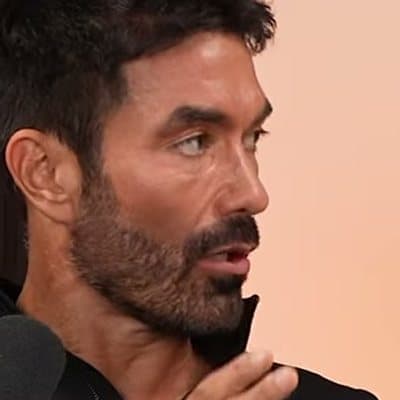
CEO, Aescape
Key takeaways
- Eric Litman spent eight months getting massages for a bulging disc in his neck, rarely getting the steady pressure he wanted. The automation idea came while hunting for a casino spa at CES 2017.
- Litman sizes massage at about $20 billion a year, capped by therapist headcount, and says only one in five US adults are open to a human massage. About half of Aescape’s regulars are new to massage.
- Early on, institutions wouldn’t back robotics, so he followed advice to “go make it pretty” and raised from over a hundred individuals. Large capital came once big spa providers committed to buy at scale.
- Aescape acquired the rights to Tom Brady’s massage protocol, built with trainer Alex Guerrero. Brady has joined the team, and the protocols work muscles while they’re engaged, aimed at athletes.
- AI mostly runs Aescape’s perception of the body, while motion stays on classical controls for predictability: “humans are not laundry.” Litman says you have to touch bodies to learn how; compute alone won’t do it.
- On reports of ChatGPT wrecking marriages, Litman notes Claude Sonnet 4.5 found a bug instead of just agreeing, and thinks models with “a bit of a backbone” could be better sounding boards than a loyal best friend.
Transcript
Transcript generated automatically from the episode audio and lightly cleaned up (filler words removed, misheard names corrected where clear). Speaker labels were added afterward and may contain errors.
Rob May: Hey everybody and welcome to the AI in NYC show. I'm Rob May, co-founder of Neurometric.
Ryan Eppley: I'm Ryan Eppley, co-founder CEO of RootAccess. And this show talks to and about all the companies and people that are building an AI in New York.
Rob May: Anna couldn't be here today. We normally shoot these like sort of end of day. Today happens to be a Tuesday and she had to work late. So maybe we'll make fun of Anna since she's not here. But yeah, you were going to make an announcement about a new policy we have.
Ryan Eppley: I do. I do. If you are a startup here in the New York City area, especially if you're an AI, send us your swag. We're
Rob May: What are you, an extra extra large?
Ryan Eppley: No, I'm a large. I can wear
Rob May: You're a large? Well, I'm an extra large.
Ryan Eppley: Send us your swag. I think Anna is a medium, and we'll definitely wear it on the podcast and give you a shout out.
Rob May: Yeah, it doesn't have to be t-shirts, hats, you know, whatever you have. We'll we'll we'll try it out. Cool. So our guest today runs so I some of you guys know I've invested in 135 AI companies in the last 11 years and of all the products I've invested in this is my personal favorite to use. So the company's called Aescape and they make a massage robot. So it's going to be a fascinating conversation. They're based here in New York. So the CEO is with us here today, Eric Litman. Eric, welcome to the podcast.
Eric Litman: Thanks Rob. Great to be here.
Rob May: Yeah. So, okay. So, I want to start with the founding story because I think I invested maybe like seven years ago, eight years ago. And this is a market that at the time, I don't know if I told you the story, but like the place that I was living in Boston and the place that I went to get massages put up a sign and they were like, "We're shutting down because we can no longer hire enough massuses and we can't make this profitable." So this timing came I don't remember exactly how we got introduced but like the timing was very fortuitous and we had a specific theory around robotics and like you checked every box and I was like this is just like the greatest idea but you guys had a really hard time raising money until like two years ago before people got it and I don't understand why but like te tell us the genesis and then what those early days were like.
Eric Litman: You were in the minority of early believers. And I have a I have a fund cap table with north of a hundred individuals in addition to the funds that have come in because in the early days getting institutional investors involved in this was really really challenging. But not unlike you, people would have their own personal stories of how massage impacted their life, an injury, some recovery, some moment they had to deal with where massage became meaningful. They'd come in, they'd see the product and almost literally open a checkbook on the spot and say, "I want to be involved in this in some way."
Rob May: Mid massage has taken out the checkbook for you.
Eric Litman: You know, my my series A lead told me while he was in the middle of his first demo that he was going to go to his partnership on that Monday and go by to write us a term sheet. Yeah. I mean, that's the product speaking for itself right there.
But to get to that point was years of iterative R&D of a lot of a lot of redefining the perspective of what a product like this could be in someone's mind because we had we had a number of headwinds facing us at that moment. Nobody really believed in robotics at that point. Anybody who meaningfully invested in hardware probably invested in some kind of widget that didn't have any recurring revenue model associated with it. And so they were burned and sitting on the sidelines. It was before generative generative AI gave people who weren't deep in the category the perspective that learning models could meaningfully advance technologies like this. Right? Just all of the elements weren't quite there. We were just at the at the head end of it.
And so I got some very good advice at the very beginning of this project, which was that the universe of investors willing to invest in some wildeyed crazy project like this that looks like a science project is substantially smaller than the universe of those typical SaaS who don't have to see around the corner. And the message was go make it pretty. So when when you came along, we were more than just an arm attached to a table and some really good controls. We'd built something that was wooden and pretty. Do you remember? Like it looked like something you'd see 20 years from now on the Danish space station, right? Not anything you'd ever put into production, but it it just had really clean lines. It was beautiful. And that's what started to move the needle. But it wasn't until we went out into industry and were able to get some of the largest providers of spa services out there and massage businesses to put their pen to paper and say, "I will go purchase these at scale that we were ultimately able to go raise some substantial money."
Ryan Eppley: What was the inception of the idea? Was this a like personal thing for you or did you do a bunch of market research and be like this is where robots should go? How did it come about?
Eric Litman: My personal pain point literally bulging disc in my neck. Eight months of my life of massage to try to fix it in every city you can possibly imagine. And almost every time the therapist would do what they wanted and not what I wanted. And they were well-intentioned and they weren't they they were from their perspective good at their jobs. And I'm sure, you know, broadly and empirically speaking, they were good practitioners, but they weren't from my perspective because I couldn't get the thing I wanted, which was just an elbow in one spot for an hour. Yeah. And look, I get it. That's hard to do. It's taxing. It's boring. It doesn't match anybody's training, but it was what I needed. And so, it was a bit of frustration. One day, I was in CES 2017 in the lobby of the Cosmopolitan between meetings. I've got an hour and 20 minutes. I'm walking through the casino.
I'm on the phone with my girlfriend at the time. I look up and there's a sign with an arrow that points in a direction that doesn't actually exist in nature. You know those casino signs? It's over there. Keep it. Yeah. And it says spa. And in the span of just a few hundred milliseconds, I think I should go get a massage. I've got an hour and 20 minutes. And I think I'm not even going to be able to find it in that time. And even if I do, an hour and 20 minutes is not enough time for a massage at a spa because you just go through all the protocol overhead, right? Of getting situated and whales making love in the background and all the things that are ultimately going to make what they believe will be a wonderful experience for you. And so I just chuckled and I just sat on the phone, you know what, maybe I should just go automate this without her having heard any of the inner dialogue that was going on beyond all of this.
And so then I started looking at the space and it turned out it had characteristics that made it particularly interesting for investment. Number one, it was big enough to be interesting with constraints on it that want it to be larger. It's about a $20 billion a year services category that wanted to be about 4 billion larger, but headcount constraints continue to cap the revenue in the category. But also only about one in five adults in the US are open to getting a massage from another human.
Rob May: So this is what this is the other thing that I saw in the early investment was you're gonna expand the TAM. I mean, we were talking before tell the story we were talking about before we got on the show.
Ryan Eppley: Yeah. I mean, I just feel like when I'm trying to convince my girlfriend to go get a massage with me from a robot, her immediate reaction was, "Well, you know, I don't know if I'm comfortable with with, you know, having a robot touch me like that." I was like, "Well, you're not as comfortable with a human touching me like that outside of me, right? So, like, you know, we haven't been to a massage and a spa in a while. Like, maybe this is a better way to think about getting a personal intimate kind of massage."
Eric Litman: Yeah. And the way we like to think about it is that this is not intended to be the same product. Like if she wants a great spa experience, there are tremendous practitioners out there. There are over 300,000 licensed massage therapists in the US that can go deliver some some variable along the spectrum of what that might be. We're just here to really make this efficient. We're here to service the people who want to get in and out quickly. People who might for some reason not be comfortable engaging directly with a stranger. Maybe something about their body, maybe gender anxiety, nudity anxiety, stranger anxiety, or maybe maybe you just want to be alone, right? Maybe you want to be on on TikTok or maybe you scored an invite code to Sora and you want to be going through those videos while you're getting massage. There's nobody there to shame you while it's happening.
So as we really looked at the space we thought how do we do the things that only technology can bring to this that will substantially enhance it and at the front end you had just all the basics like it's kind of laughable to think that in 2025 discoverability would be an innovation but in the massage category it was right just making it easy to book making the nomenclature normalized removing the weird indecipherable product marketing that exists around massage. So just fixing those and then con then just going through and chipping away at all the other friction points that inhibit transactional velocity. You make it less expensive. You make it so that you don't have to shower. I mean you can do like 15 minutes. You can do a 15inut. You can get a hamstring flush at the end of a workout and be in and out and done. You're not showering. You don't smell like like like essential oils for the next 24 hours. And it will remember you so that no matter where you go, there's a consistent experience. All of those things together ultimately make a very different product. Now, here's what I would directly say, and I'm gonna I'm gonna stop because this is taking too long. It in response to why would I trust this?
Think about what it is that computers and computing technology are particularly good at doing. They're particularly good at being precise. And that's what these robots do. They are very precise. These are classical control systems. We have a complex computational model of the body that we build from depth sensors overhead. We know very very high precision and high accuracy exactly where we are in the body and to the fraction of a newton how much force we are applying. There isn't a massage therapist on the planet that could tell you that we have gears and motors in these joints that are only strong enough to give a good massage. Very intentional. They're only strong enough to do that. They're just not going to
Ryan Eppley: You hear that Rene? So we'll be getting a massage very soon from a robot.
Eric Litman: And you're fully in control. Ever there's anything you like, you get more of it. Anything you don't like, you can stop and change it.
Rob May: Yeah. So, we'll actually maybe put up a picture because I in the studios when you go so I've had about 15 of these and when you go in the studio they have a little thing set up. You can take a picture and so I have some maybe we'll put those up on the screen at the time of me getting the robot massage but what I love about it is it is also like I don't like to talk to the masseuse, right? It's nice to just lay there. You do have to wear some special clothing that you guys provide that just make it really easy for the friction right on the skin and everything else. But you lay and you and you your head's down and you've just got an iPad in front of you and you control the whole massage. You could be like, "Move on, stop, more pressure, less pressure." Like it's just such a fantastic experience. And then it's again, it's consistent, right? Like I can't wait until you guys are like just worldwide. So like when I'm in London, I'm in San Francisco, I'm like just give me that massage I got last time because that was so good.
Because I get massages when I travel and you just you never know, right? Like you're just like rolling the dice like I'm going to go in here and this person who knows what it's going to be like. It might be a terrible massage.
Ryan Eppley: And I think we've all probably had an experience of a massage actually did damage to us. It did the opposite of what I wanted, especially when I was a pretty high competitive athlete. You know, I felt like getting massages actually at times was painful because you're trying to get a knot out, but it's a necessary evil, right? And I think it's a great transition because it just dropped, I think just last week with Tom Brady joining joining forces with you. Yeah. Tell us more about that. I know it came out very recently. We're very excited for you.
Eric Litman: Thank you. Thank you. Look, there are very few people on the planet you can think of who embody physical fitness and physical longevity better than Tom does. And he credits this to a particular massage protocol that he and his trainer Alex Guerrero have created and have now spanned out to a network of trainers who work not just on Tom, but a host of elite athletes and others. Tom for years has been trying to democratize this protocol. Recognizes that it's not it's not feasible for the general population to be able to work with this sorts of trainers that he works with.
But this protocol, which he does before and after every game, he did it before and after well did before and after every game, before and after every practice, it's very technically involved. He's invested in a host of companies trying to replicate bits and pieces of it. He has a team that he's funded at MIT that's been putting sensors on human bodies just trying to uncover mechanistically what's happening in the course of this particular protocol and ultimately met us fell in love and said all right I'm going all in. So we acquired the rights to it. Tom has joined the team. Tom is very active with us in now pushing forward the development of this and these protocols they are back to your point of hurting and being an athlete. They are very much targeted towards high performance athletes. They they focus on bodies in motion on engaging your muscles as it's doing deep work on you.
So you could imagine an elbow in your glute me while you're doing flutter kicks to failure. Right. It I' I've done it. It's very intense. But my god did I feel invigorated like how you get back on like I could run up a mountain right after I did it. So best-in-class robotics meets best-in-class therapeutic protocols. World class athlete. Couldn't be happier.
Ryan Eppley: And it it seems like going back to growing the TAM, you went from hey consumer, this is a new field to oh wow, like the industry of high intense sports and wellness around that is just also a massive opportunity that you're now tapping into. It's just a very exciting time.
Eric Litman: Yeah, it's and you're absolutely right. And it's not just professional sports, it's collegiate sports. It's eventually as we relax some of the restrictions on the table, I think we can get into high school. And I think what we'd like to do over the longer term is start to bring real rigor and data to the practice of soft tissue manipulation. If you look across PubMed today, you'll find studies that focus on things like blood and urinary cortisol levels and changes in other hormonal markers and stress markers as a result of massage therapy. The challenge with every one of them is that they're fundamentally anecdotal studies because you cannot control the inputs. So, at some point, we'd like to we'd like to be able to come out and show meaningful direct impacts on the human body as a result of soft tissue manipulation. I think Tom's protocols are going to be great examples of how this could be a substantial performance improvement in elite athletes.
Ryan Eppley: Yeah. Have you rolled out in a college to date yet?
Eric Litman: We are in pro sports teams that we haven't announced, but we're not in any university.
Ryan Eppley: Yeah. No, it's something I really wish I would have had when I was, you know, a college soccer player. I think there were so many times I'm taking the ice baths. I'm thinking about all the things outside of just getting onto the field that you know they they seem not as fun when you're having to book them with humans, you're having to take all this time to schedule things. If I could just hop on an app and be like, "Oh, I'll I'll do this on my own time." Really would have changed a ton of logistics.
Eric Litman: The stories that we hear from the other athletes that have invested in the business, like Kevin, Kevin Love is a multi-time investor and Clint Capela and Dell Gonari and Logan Paul just recently invested. Matthew Dellavedova. Matthew Delvado, that's actually involved now. Yeah. And what we've heard is that in professional athletics, it's often the injured players that get the most attention from the massage therapist and there's very little attention put on the sort of work that can help to prevent injuries. And so we just we open up the surface area. The team athletic trainers, massage therapists still do the great deep work that they do, but we now present new opportunities for athletes. And there's always a line for the massage therapist. There's always, you know,
Rob May: so with this new round of funding, you're at 125 million. How how much is it to date now?
Eric Litman: We raised about $150 million.
Ryan Eppley: Wow. $150 million. It's just an incredible journey since 2017.
Eric Litman: Now 2017, seven seven years of R&D and now a year in market.
Ryan Eppley: Wow. Oh, congratulations.
Rob May: Yeah. Which is part of what people didn't like about, you know, like my view as an investor was always like things that take a long time to develop have a lot of defensibility because like I don't know how anybody competes with you at this point. Like they have to come along and figure out so many things and like I've seen years of iterations of the product and I've tried a lot of them and I've seen the innovations in like the ins that touch people and everything else and just the massage experience itself and the pad and so it's like it's yeah I investors got spoiled by SaaS I think and what those like quick oh you hit a million AR and then you just scale and this is different but I think it's going to be a really really big company
Eric Litman: I think I think the other thing not to miss in this is not just the complexity of the technology the level of invest ment that we put into this, the thoughtfulness behind it, and I'm sure at some point we'll talk things data related, but the tremendous amount of data that we acquire on a daily basis, it's that we're we're owning the distribution. We're building relationships with the largest providers of massage therapy in the US and now working on globally in multi-year partnered relationships where there's very little incentive for them to want to bring in somebody new. Right? If I were sitting in the seat of someone who would potentially deploy significant capital into a new project, that's not one that I'd want to go headto-head against unless somehow we were misststepping in the market and either not delivering great value for our partners or consumers didn't love the product. The reality is neither of those things are true.
Ryan Eppley: I think it's a great, you know, segue to one of the questions we were chatting on before the show is, you know, 2017 robotics company here in New York, very different climate to try to raise money as you mentioned, very tough. What's what's changed in the last half a decade almost decade now? Like robotics is kind of hot here now. Particularly over in Brooklyn, you've got a whole bunch of robotics coming. Yeah. So what's really changed in your eyes as one of the leaders here in the New York area with robotics company? How how have you seen whether it's investors, whether it's founders, whether it's other supporters in the ecosystem. What's really changed in New York to make it such a great spot for a robotics company?
Eric Litman: I think it was a few things. I think number one the end of COVID what whatever that line might have been brought people back to the table and it brought them back with a renewed vigor like just the intensity that I saw in the community immediately postcoid of people really wanting to get something done having felt like they've just lost a couple years of their lives kicked things off right around the time when we started to see generative AI begin to take off and start to empower new ways of building and robotics that previously were significantly harder. We've had some good hardware exits in the space, reasonable hardware exits, and here in New York that have spawned communities of builders that have gone off now to go do things on their own. And we continue to see innovations that are driving the supply chain efficiencies that are bringing the cost of componentry down, ultimately enabling more people to take more bets on this stuff. It was no one thing, but it's the collective of all of that. And to your point there, there's an explosion of it here right now.
It's great. The energy in this city around building hard things is super real. And look, I get that there's been a massive resurgence in San Francisco around AI and the token econom economy right now. And I love seeing it. I love that San Francisco is back with with just such force, but so many people that opted out of being in the Bay Area, moved to New York because of the higher quality of life, because the greater diversity of interest, of opportunity, and people who moved here were incredibly high quality, who then now rubbed off on others. And there's just a there's just a different feel. There's a it's a different feel from what it was in 2017. To your point, it was very different from in 2008 when I started my last company here. And it now feels that it's saturation is not the right term, but it's at a level of critical mass where it's sustainable.
Ryan Eppley: Yeah. And it comes down to the talent density like you're kind of alluding to. And how big is your team now?
Eric Litman: About 100 people. About 100 people.
Ryan Eppley: There there was not many 100 person robotics companies in New York 10 years ago. And now think about all those people as you build out your team and their ranks and they get more experience. They're going to go off and do incredible things at your company or build their own companies or continue to partner in different ways. And I just feel like the ability for companies to build great cultures like you are right now, it just changes not just that industry, but really the entire city and how it's perceived. When we get back to AI and robotics now for a company like what we're up to, we hear so many people saying, "Oh, I want to be in New York. I hear what's going on in New York. There's companies like Aescape. There's, oh, wow, you're you want to come to New York now." It's something that we're very, you know, refreshed to hear.
Eric Litman: Yeah. Yeah. It's a great place to be. I mean I've lived here since 2008. I've been here off and on over the years prior to that and I couldn't imagine building a company anywhere else.
Rob May: Yeah. Yeah. Tell us a little bit about your first company. Just we'll take a quick detour and talk about a little bit like what that did. How was it different to raise money because you were like an ad tech or something, right?
Eric Litman: The one immediately prior to this was in mobile adtech. Yeah. Yeah. That that I started in 2008 at a similar moment in time. It was right when the app store was coming to market. Put the concept for the business together about 41 days before the app store launched and pulled a team together, locked us in a room in Hell's Kitchen, basically closed the door, had 14 people, my credit card on the table for people to eat and kind of make their lives happen and we launched the company in 41 days. There were people around here. I mean there there were people in the tech community that could do these sorts of things back then. But the investment community was really different and much smaller, you know, and being in the world of media tech and adtech is very different from being in the world of hard tech. The sorts of people that you engage with are they're just they're cut from a different cloth. It's neither better nor worse. It's just it's a very different level of intellectual discourse. It's a very different set of values and value alignment opportunities. I would I would pick this industry seven days out of seven given another choice.
Rob May: Yeah. And I mean probably with a hundred employees in a consumer. Do you consider yourself a consumer robotics company?
Eric Litman: We do.
Rob May: If you I you might be the second biggest of all time after I robot like not many consumer consumer robotics has been a really really tough space. I maybe if you consider drone companies you know you could do it but it's been a really really tough space. So it's pretty impressive what you've been able to do.
Eric Litman: I would consider Tesla consumer robotics company.
Rob May: Okay. Yeah. Yeah sense too.
Ryan Eppley: You know, we were also chatting about just how have you seen investors that said no years ago, maybe even talk to you offline or in private saying, "Hey, like we made a mistake in the space or we underappreciated this aspect of the business." Like what have you seen from investors that might have been skeptical now? Maybe coming back to the table, even being on your cap table now, what's changed in their specific mind on the ROI of a robotics company?
Eric Litman: Oh, yeah. Not a lot of investors like to put the work in, if I'm just going to be brutally honest, right?
Rob May: That's what the show's about.
Eric Litman: Yeah. They'll they'll take a cursory glance and if it doesn't fit a mental model of something that they can pattern match against, they're just going to move on. And kind of like my previous comment, I don't know that that's either good or bad. Maybe for their returns, I don't have a particular opinion on that. I move on to the next if it doesn't work out. I' I've had well, given the number of conversations we've had, I've had quite a few folks come back and say, "Man, we should have gotten in earlier." Or, "I love this round right now, but I just can't get enough of an ownership stake for it to make sense for my fund." Right? All of those kinds of comments. I think broader just exogenous validation, right? They didn't they weren't willing to take the risk to be the first, right? So they they saw other investors put money in and or other secular trends start to move in a direction where this began to make sense for them. The good news is there was at least one who was willing to invest, right? That's really that's what you need.
Rob May: I mean it's interesting because you really think as an early stage VC that should be your calling card which is like show us the crazy stuff, right? Like anybody can do the next like customer support SaaS like all the obvious stuff. But we even have, you probably remember this. I, we'll tell this on the show anyway, but like, I invested out of a small fund that my partner Todd and I ran called Halfcourt Ventures. We then went to a bigger fund, which will remain unnamed, whereas a general partner and I brought the deal in and we actually gave you guys a term sheet, but we required my my partners kind of didn't feel comfortable with the deal unless somebody really big and deep came in. So, they wanted like a battery ventures or, you know, somebody like that. We couldn't get those guys to the table. You actually found somebody and then my partners were like they don't qualify not a tradition like they really they really wanted a brand name fund to make us all feel better right I mean we would have been sitting on probably like a 12 or 15x at this point if we had if we had done that deal which was really really unfortunate but you know I we have our stake from the first fund
Eric Litman: that was that candidly that was one of the stranger moments in my history of fundraising over my career
Rob May: yeah it and it was weird for me as a firsttime like GP P but a lot of people that raise money don't understand how much fund politics play into decisions, right? Like a lot of your funds have a founding partner, founding team who really kind of drive the decisions even though they try to bring in and bring up the next level and yeah, it's hard. It's why it's so much better when your company gets further along and you're just you're just evaluated on financials and market opportunity and all that and not there's enough data that's qualitative.
Yeah, it's really hard to find people. I would say, you know, it early stage VCs who you would think would be the people that see around corners and are visionary. It's really maybe like 10% of them, right? And the rest are looking to like ride the tail coats of that 10% or just spray and prey or, you know, do whatever. Invest in obvious stuff that's not going to go to zero when actually you should be doing the opposite. Which is like the non-obvious stuff that like like you guys have such an uncapped market potential. I mean the things you're you know we talked earlier about like expanding the TAM. I so I was in Orlando, Florida, the JW Marriott and they have one there and I started talking to the hostess about it and she said, "Oh, you know who really loves it? It's people that are uncomfortable getting massages, right?" So like you're opening up the market in addition to that. But and I assume you're getting at this point. Do you have enough data that you started to notice anything that was contrarian about massage or anything that was surprising or anything like is have you started to see any any patterns where that are that are worth talking about?
Eric Litman: Look, I think the one you just pointed out was the one that we'd hoped for, but you know, it's a lot of nailbiting over seven years to prove out the hypotheses that you're you're bending the business on. About half of the people who regularly come in for escape massages are not endemic to the category. These are newcomers who are now getting body work because it's not a person expressly because it's not a person.
Ryan Eppley: Yeah. I mean it's a category definer because the robotics and consumer there's very few that have become successful. I've seen 10 beauty recently start to pop up. Right. I think that's like for nail polish. They just launched this week. Right. Right. So you know I see I see again you're trailblazing an entire category while you're in wellness. I think you might have ambitions that go well beyond just current massages. I'll let you keep that private to yourself for now. But I think where we see consumer robotics for someone that grew up watching robotics and being a part of robotics and even high school, this is almost two decades ago now. It's just very exciting to see actual P&Ls make sense for investors that are a little more shy to risk be like, "Wow, this is a great finance return." That to me is a huge huge kind of moment that's happening and it's because of companies like yours kind of leading the way.
Eric Litman: Look, I would say that today the return profile in this business is outstanding, right? The business that we're building in and around Massage has durability to it. We're building lasting long-term consumer relationships and distribution relationships. And we're writing multi-year contracts that ultimately have very high gross margins associated with them, particularly in the out years of the of the business. Massage, to your to your illusion, it's the starting point for us. What we've really solved is the ability to safely and autonomously interact with human bodies through robots. That's a particularly hard set of challenges. It's not something you can scale up with compute. You have to touch bodies to know how to touch bodies. And so we're doing it at scale. It's giving us this tremendous data set that we're learning a great deal from. And we will build other applications to top that. And frankly, we're going to go category by category and do the same thing we've done right now, which is not just deliver a piece of technology, but look at the industry, find the problems, deliver a solution.
Rob May: So, obviously, you guys have a lot of barriers to entry on the on the hardware side, right? Because you've had to innovate a lot there, figure out how to put these things together, source of supply chain, all those things that that that are very difficult. On the software side, talk a little bit about like what kinds of models do you use? Like I would assume you probably do use some generative AI do you have a lot of like basic AI SVMs and stuff like that like where in the product is some of the AI you know used and where does some of the learning happen?
Eric Litman: It's predominantly used in our perception system right now. So knowing, understanding, characterizing the body, finding it in 3D space, distinguishing, don't press there. Exactly. Yeah. The generative stuff we're doing, we're doing in the lab right now. We've got some really exciting stuff coming up that will completely change the way you engage with the product. We're really, really, really encouraged by the progress that we've seen there. We haven't announced it. This I'm not even pre-announcing it right now. I'm not even talking about it right now.
Rob May: We'll cut we'll cut redact it.
Eric Litman: But yeah, that that stuff is it's really taken off for us and the team has done some really great work there. And then look to my earlier point, a lot of the a lot of the control stuff is still classical controls, right? It's designed to be very predictable and very safe because we're working in a domain where those things are required, right? If we were folding a piece of laundry and the edges of it were a little bit messy, that's one thing. But humans are not laundry.
Rob May: Now, I remember you I think one of the first things that you told me the first time that I came in to try one was that one of the first pieces of software you wrote was if somebody jerks and starts to do something like the arms just pop up and get out of the way, right? So, build trust with the consumers immediately.
Eric Litman: Yeah. You know. Yes.
Ryan Eppley: Yeah. I was even scrolling through the website, I could see how how thoughtful you were in making this feel like a safe bet, even if it was your first time just looking at the website.
Eric Litman: Do you know even you and I, the three of us here, we've been around robots. We have a particularly interesting challenge of getting people to be touched by a robot who in most cases have never seen a robot in real life. This is their first experience.
Ryan Eppley: They just see it in like Star Wars or something or Final Destination.
Eric Litman: You should see the comments on our social media. That's the number one that comes up. Funny thing is the director of the most recent final final destination film and I recently got connected. We're we're we'll do something fun at some point. Yeah. So we have to engender trust, right? It's incredically important that right out of the gate. Everything we do makes you feel like you're going into something that is both familiar but controllable. That's the really important point here that okay, yes, tons of technology here. I don't understand what the tech is. I don't fully understand how safe it really can be. But at least I know at any moment in time if something doesn't go the way I want it to, I can alter the situation from changing the pressure to the position on your body to your point of just getting up and having it get out of the way to mechanically estop all the other things we have involved in here.
Ryan Eppley: Very, very interesting. How I'm I'm curious because you've been getting a massage from a robot now for quite some time. How has your perception changed? Is it just like it's harder to go back to a human or is it just a totally different experience for you? How have you perceived the idea of getting a massage now?
Rob May: Well, yeah, it's a great question. So, it's interesting because the I so I will probably go more and more to the robot, right? So, when they launched it was just sort of like your back. So, I would go get a back massage and it was back and glutes and it was back and glutes and hamstrings. And now Eric was saying, I don't know if you this was at the beginning of the show or when we were talking beforehand, but now it's a it's a full body, right? And so you know, calves and stuff like that. So the more and more that it can do, the less I'll go to a human. Probably for for two reasons, right? One is just the convenience factor, right? You just you open up the app, I can literally look around and sometimes it's like, wow, in a half hour I can be over here and even just get 15 or half hour is something quick, which is really nice.
And the second thing is I like deep deep deep pressure. I know a lot of people don't. I'm actually hoping you come out with a stronger robot arm at some point for my back because I'm always customer request I've got all jumped up and I'm like ah that's pretty good. But yeah, but you know and when you do things there's things like like glutes like like you know I'm a runner and so like really digging into your glutes and spending a lot of time there is something some massuses even aren't comfortable with you know let alone some people.
And then, you know, I assume like like like will you get at some point like will you be able to do like a SOAZ muscle and stuff like like those are things that like there's there's muscles in your body that like really a lot of massuses even aren't trained on or whatever that I think a robot could do. And so it was just yeah, it's just it's all the experience has just gotten better and better over the last two years that I've been doing it. And you have so much control on that pad. You can control the music, you can control the pressure, you can tell it to move on if you don't like that part. It's just Yeah. And I assume at some point you'll be able to get I'll be able to go in and choose from a menu of things that are more personalized to me, right? Like it's pretty impressive.
Ryan Eppley: Yeah, it's a good testimonial. You can use that right on the website, huh?
Rob May: I know. I told I rave about this product to everybody and people always go I don't know a massager. I'm like just go do you guys have gift cards and stuff because when you do I'm going to start giving this out to everybody. Okay, I need to go do that.
Eric Litman: We do. I think it's I think it's a gifts.aescape.com.
Rob May: Okay. Yeah. Cool. I'll tell you be best comment left on the show this week. We'll send you a gift card so that you can get a you can get a massage yourself. Well, let's let's move into some some AI news of the week. Anything else you want to ask him before we move in?
Ryan Eppley: No, no. News news of the week. I want your input on some of these things because we've been cooking up some good articles.
Rob May: Yeah. Yeah. So, the most interesting article to me this week was this article in futurism that ChatGPT is leading to divorces because partners are fighting and then they're one of the partners is going away and talking to ChatGPT which is sort of sycopantic and just telling you everything else and we were talking about this. You and I are both divorced. Yeah. And you know I cannot I will say my ex-wife and I were very good at when we did fight we had a rule like you had like one friend you could talk to whatever but like we didn't typically go talk to our family friends our parents or siblings or whatever because then they they always see the bad side and kind of hate you but like is this a good thing like like first of all should people be using ChatGPT for this I guess is a is a question and then second question would be like should OpenAI do something about this if people are using
Ryan Eppley: I try very hard to let technology not be regulated too much right out of the gate. But this is one of those scenarios where the data is like pretty clear that it's causing psych psychological harm to relationships. I you know we looked at a couple of different studies. Maybe we'll throw up some of the graphs that they had in those studies, but it's causing people to get into their own sense of control in a situation that like is one-sided. They always get from whether Chachi or a different one. You're right. They're wrong. Here's all the reasons bullet pointed out of why they're wrong. And it just builds up this kind of almost animosity. And then next thing you know, you get off your laptop and you're like, "Oh man, I'm I'm factual in how I perceive our relationship." And I think that is a really really tough spot to be in. So I don't know what the answer is, but I certainly know it's a problem right now.
Eric Litman: One one of the one of the guys on my team came to me today told a story that he ran some bit of code through the new release of Claude of Sonnet 4.5 and it was something he had run through 4.1 previously and as Claude has wanted to do it got itself twisted in a knot and was convinced that it was right until it was told that it wasn't and then of course you know you're absolutely right. Of course. How did I miss this? And under 4.5 the model went through found the bug identified what the issue was correctly and then told them to fix it itself themselves. So becoming managers so I think look I think if I as the models start to shift from being sickopantic to being maybe slightly more adversarial or at least at least having a bit of a backbone to them I think maybe some of this problem starts to go away.
A lot of people don't a lot of people don't have a sounding board and they'll go to their best friend who will be equally negatively validating their thoughts. Oh my god, you're right. Everything you've told me points to that person being a terrible person and you should get out of that relationship right away. I don't know that it's really all that different. I do think with AI models, if with a little bit better coaching and training of the models, they could get to places where they could be much better sounding boards.
Ryan Eppley: And that's what I agree with. I feel like if you have a chat with a best friend or something like that, what do you what do you think is going to happen? They're going to tell you all the things that you're right about and your significant others, right? They're going to take your side no matter what because they have loyalty. But if the models can sense that, hey, I see that you're talking about a intimate relationship here. Have you tried looking through their lens rather than me just shovel a bunch of facts that arm you to have a nasty conversation later? Yeah. What if you took the moment to think about these thoughts? I feel like, you know, is it the models and the research lab's duty to do that or do you feel like they don't have
Rob May: this is where it gets interesting, right? Because you know, to what extent is your job to make people better even if they don't want to be better, right? Because the you know it's we've gone through this with food and the you know we made calories cheaper and cheaper and then we got an obesity epidemic and then we had to go fix that some through legislation some some through education some through people doing stuff and people don't like to hear hard truths and I think I mean you and I are a little bit older like we've we've probably came up in a different world where everybody didn't get a trophy and it's been different now you know managing people in their 40s and 30s and 20s and seeing how they respond to things and Like I sometimes you need to hear hard truths. Like when I when I came out of college and I was a computer chip designer, right? It was my first job, ASIC design.
My very first review, I had done some phenomenal projects and my boss Wendy was like, "Rob, you're a fantastic engineer. You have done things I would not expect a first year engineer to do everything else." But she's like, "But if you don't learn," she's like, "But when I give you a boring task, like something that's run-of-the-mill that you should knock out in a couple days, it takes you forever." And she's like, "If you don't learn to attack the tasks that you don't like with the same enthusiasm that you attack the tasks that you do, you're never going to be successful." So, I went home and I was talking to my wife at the time and I'm like, "That blah, blah, blah. Here's what she said." And my wife just goes, "Yeah, she's right." And I was kind of like and it was like this moment where I was like like it had a big impact on my career actually. And like even though I was mad in that moment, I'm very thankful that I got that review because it made me realize like, wow, I've got to go, you know, embrace all this stuff.
Ryan Eppley: And we see that happen all the time at at our different relationships at home where, you know, your significant other might be complaining about work or might be complaining about something else. And I get called out all the time of like, why are you picking their side? I'm like, well, have you have you thought through this? You know, I feel like right now like you're very emotionally bent up, but and maybe I'm too calm and I'm too like kind of trying to be the arbiter. But I get almost yelled at, but I know that that is probably a healthier kind of way to have someone think through something. Whereas I have already seen someone will go behind their laptop, they'll type it in, and it'll go back to, "Yes, you're absolutely right. Here's all the ways that that person's wrong." So, it's not just intimate relationships, though. I think that might be one of the worst ones. It's professional. It's friends. It's a everything is a relationship when it comes to humans. And I'm concerned about how ChatGPT and others make you perceive others because perception is reality, right? And once you get this sense of truth from an LLM, it's really hard to feel wrong.
Eric Litman: I have a I have a product manager on the team who recently said in half jest that he felt like his job description was writing decision documents. And so he went into a model and ragged his way to personas of the key decision makers in the company and he will run a decision through this model to find out perspectives of what each person is likely to say and then he will tune the document to try to get the outcome that he wants. It's very clever.
Rob May: Yeah. Which I mean if you're really good people person and all that like you might be able to do that naturally some pe some people right like can can read people really well and come prepared for that. I in fact and my first company which which was my biggest one of my executives got so good at predicting my you know what I was going to say he would come in and he would be like okay Rob I want to run you by this idea and I would open my mouth he go I know what you're going to say you're going to say we can't do it because this that and the other I'm prepared to tell you why you're wrong. So, it was some people get good at that, but
Ryan Eppley: well, this I've seen this happen in game theory, right? I'm I'm big into computer games. Don't have much time anymore, but in all these civilization building games, you have to work with other nation states and things like that. People have modded it to send the response you get from another nation state, send it to an LLM and see, oh, this is the profile of that nation. These are the resources they have. This is what they care about. And it's a really interesting way for people to still be the decision maker behind the keyboard, but get this information from them and be like, "Okay, this is the best tactical decision for me to make. Here's the tradeoffs I have to make when I'm dealing with another decision maker." That is a good use case in some ways. Whether that sounds too conniving up for debate, but I do think LLM can be very helpful in processing how other people make an opinion or a judgment. But I do think on the flip side, it's definitely causing people to feel very very again truthful and factual when things are very subjective. Yeah. Just because you, oh, I'm talking to this computer. Look at these tokens just spit out all these bullet points. I must be right.
Rob May: So I so publicly in a lot of stuff that I write, I've been very critical of our President Donald Trump. But maybe going forward in this LLM world, his haphazard random approach to things is what's going to work, right? Because nobody can, you know, you can't feed it to an LLM.
Ryan Eppley: There's no I do ask the question sometimes like how are LLM's being used at the highest national decision- making? You know, it's probably something that that we won't know and it's probably hard to find out, but I am curious about it.
Rob May: Yeah. I it's a good question. If anybody knows send us a note and let us know. I my guess is a lot of that stuff's banned by the government. I mean they just had they just approved some more models. Well Grok is being sold to the government now I think very very cheaply. $42. Yeah. Which is which is kind of I'm sure the lobbyists are using it. Yeah. Meta recently got lama approved. Yeah. That was huge.
Eric Litman: It's interesting to think about a world where more and more of our governments moves could move towards a model driven approach where the weights are publicly known where we have insights into the algorithms behind it and we collectively decide how to bias the model in a way that makes sense for the people it's ultimately going to be governing. And then and then you take the emotional components, you take the corruption out and you potentially have a model a governmental model that I don't know that that could work substantially better. It's a it's a little bit odd to think that humans could potentially take themselves out of the loop of governing, but we tend to be the biggest problem in our own governance.
Rob May: Yeah. There's a there's a book I read a couple of years ago called 10% less democracy and it looked at these studies. So you look at like senators who are elected for six years, right? And it looked at their voting patterns and for the first two years they tend to like vote their conscious not vote party line a lot because they you know they're not up for re-election. The middle two years they tend to vote like mostly party line unless something's really strong back for their state and the last two years they vote party line right and they and it makes sense and this this was an argument for making things more algorithmic taking some things out of the hand like one of the practical applications of this book was take tax policy and put it in a separate group like the Fed where you have these independent people who determine taxes not Congress every year and it's somewhat formulaic you know a little bit you know a little bit of judgment but it's like oh hey the deficit's going up we're going to raise taxes is, you know, 0.85% like just whatever it is. Because it's such a politically charged issue and so I there's probably some some truth to this for a lot of things.
Ryan Eppley: Yeah. Yeah. And it's a natural segue because I think one of the other articles we wanted to tee up was called the blob. Funny article name by JP Morgan all around there was a couple different pieces within it. It was a pretty dense article, but the thing I think we wanted to talk on was how do we think about not just LLMs but I think new intelligence making decisions on behalf of the nation state and the exports controls that come with it. Not just AI and data center construction but also now all the material that are needed for them. There's tariffs is a big word in a lot of the different policy making right now and that whole article just goes through these models are now an export control these models are are as seen as like steel production. Yeah. And so is AI in a spot where it's now maybe our most valuable asset as a nation state. Is that happening right now?
Rob May: Yes. But let me give you a contrarian opinion on that. Because that's one of the roles we should one of the things we should do here on this show, right? Is I think so the difference between AI and other waves of technology is like I think there could still be some major discontinuities, right? And what I mean by that is, you know, for those of you that aren't deep into AI, most of these models run on what's called a transformer architecture and there could be something that come along tomorrow and replace a transformer. Some things have tried state space machines and everything, but nothing's been dramatically different, right? But we know the brain doesn't work via back propagation. We know that when we learn something new, it doesn't have to go back and adjust every neuron in the whole brain. So there's these things are very inefficient.
So what I would argue is we want everybody else to keep pace with us. We don't want to cut somebody off where they go work on some different technology that might leapfrog us, right? Like look look at a lot what happened with you know America was a little bit slow in the mobile revolution and some of these like you know African nations that had no landline infrastructure were very quick to adopt mobile phones because super nimble. Yeah. And so you don't want something like that to happen. So I get the risk. We're worried that like oh if they get you know GPT5 equivalents we're in trouble. But I would argue we're in more trouble if they leaprog us because they're exploring areas we didn't like. I think they want to I think we want them to follow along a little
Ryan Eppley: I think we see that happening now with the fear that they're able to make sub 10 nanometer, you know, chips in other nations, right? And we're very fearful about all the export controls that go into ASML and other technologies that manufacture them. And then obviously DeepSeek earlier this year, I can't believe it's still this this year, right? It was only seven, eight months ago, everyone, all of my friends that are, you know, AI researchers were like, "Hey, all of our offices are kind of having this weird spooky, are you for DeepSeek? Are you are you testing it out? Are you using it? Or are you raising the American flag and saying, "No, I'm only going to use Americanmade LLMs." It was a weird moment for a lot of people, but it to your point, if we if we safeguard and R2 closed, then other nations will say, "Okay, great. We'll invest heavily into this and that could be as adverse of an effect." You know, it's a really tricky conversation to have.
Eric Litman: Yeah. I think I think the things there's the infrastructure there are the models there's the data and then fundamentally the intelligence that is the output of all of those I don't imagine any nation or nation state on this planet not feeling right now the intense pressure for sovereignty around the collective of that stack
Rob May: yeah that's definitely true and I you know it's going to be interesting to see I mean we are still for all the speed at which this is moving we are still in such early innings of what these things can do. There's so many things that you can make AI do that you don't have a data set for. And so it it it's going to be really interesting to watch it play out, I think.
Ryan Eppley: Yeah. I remember at Reindustrialize just in Detroit a couple months ago, the keynote speaker, Palmer Luckey, who did his keynote through a humanoid, he wasn't on stage. He was teleoperating it from halfway across the country. Kind of cool. It was actually very very interesting. And he was talking about the last time we made a computer end to end source materials all the way through production, manufacturing, and assembly and made in America, designed in America, was over two decades ago now, right? We're talking early 2000s, and I was from Dell, I believe he said. Yeah. So we have as a country not been able to make a computer in our own land for decades now. That's crazy.
Rob May: This is one of the reasons I like that that New York is such an AI hub, right? I mean, it's probably the number two AI hub in the world after Silicon Valley. Silicon Valley is very focused on AGI. We're a little more applied here, I think. And what I think is good about that is some of the problems we have are self-inflicted by Wall Street, right? Like TSMC exists because a lot of investors were sort of like, well, why would you have all this like capital intensive businesses be I you know, be asset light, IP driven, like we love that until we realized like, wow, how how important it was. And I think part of that is because maybe the New York tech scene hadn't had enough like hardcore tech people, nerds, like people like to build those companies, you have to like tech for its own sake at some level. You have to be the kind of person that wants to play around with it.
And I think making New York more that way, which it has become over the last decade, having more people like that here, I think I think might bring a better balance to both sides of that because it's still the financial capital of the world with deeper capital markets and more money here than any other place on Earth. You know to be able to go drive that stuff and but for those people to be able to merge together so the financeers to merge with the technologists who are like no no no like you need to trust me and we need to do it this way I mean Andy Grove didn't want Intel to you know start to pawn off their their foundry business you know he had the right ideas so I think it'll be good for New York
Ryan Eppley: yeah I hope someone makes some type of semi you know semiconductor manufacturing here in like the city area I know that we have Micron up in upstate New York and things like that, but yeah, GlobalFoundries, right? Right. I'd be very curious to see some type of like low-level hardware being developed here in the city. Tough to do.
Eric Litman: Tough to do. Pretty pretty expensive land to have, but very people working on stuff like 3D printing circuits and stuff, but they're they're pretty far behind, but we should have some of those people on at some point.
Rob May: Yeah. I mean, we are going to have to they are looking at a lot of different technologies. This is an area I love because I used to be a chip designer, but they're looking at a lot of different technologies because we are running up against a lot of fundamental physical limits in you know in the coming years with the stuff we're producing. So that'll be interesting.
Ryan Eppley: You got one more article teed up for us?
Rob May: Yeah, we'll just cover it in the last two minutes here, but so Exponential View which is a pretty popular a lot of people have been talking about AI bubble and Azeem Azhar from Exponential Viewlet wrote a really interesting piece about is AI in a bubble and he he gave five gauges and each gauge it was like where is it green, yellow, red and sort of determined like it's getting bubbly but it we're not in a bubble yet and so we'll we'll maybe put some of those gauges up and check it out. But yeah, he he makes some really good points about like the a lot of people compare this to the railroads, but the percentage of capital expenditure as a percentage of GDP is still lower than railroad time. Now, it's getting up there. You know and but you have this really interesting the most interesting issue to me about all this is these GPUs don't last 40 years or whatever railroad tracks or construction or industrial plant like all these it's advertised over decades yeah I mean these things are all you know realistically not very valuable after three maybe you can use them for five or six but like how does that impact these these capex cycles and what does that does that change the way you think about a bubble and whether this is a bubble
Ryan Eppley: We talked about are we in a bubble or are we not last episode and I think it's going to continue to be a theme. Everyone wants to talk about if we're in a bubble or not. You know, I feel like the last last episode we kind of went around and asked like are we in a bubble or not? This article did a good job of just saying like, you know, scientifically speaking over all the economic data that we have, we're still not in true bubble territory. You know, I think there's hype at moments of like why we're in a bubble and you'll see a funny meme posted of like, you know, the triangle of OpenAI paying, you know, Oracle, paying Nvidia back to, you know, it's like, okay, like what's going on here with the movement of hundreds of billions of dollars? But, you know, what do you think from your perspective? AI bubble or are we in a true economics are being made, returns are being made, this is a very, very good investment.
Eric Litman: I don't think we really have clarity yet into what the GDP gains will be from the proliferation of AI at scale. I think we're only at the beginning of it. I think the anecdote the collective anecdote we see out in the wild right now portend to a much more productive future where on a per capita basis we will just be generating substantially more. So through that lens, I would say not bubble enough, right? Like there is substantial investment still to be made in the replacement of all of the general purpose computing with special purpose computing. With the retooling of just about every industry on on the planet to be AI first or at least AI-driven I it will be cyclical like every industry but the rate of advancement we're seeing right now feels like the periodicity will will substantially shrink right like these cycles are going to get a lot smaller so if there is a decline because of investor fatigue and perhaps overinvestment in one area relative to where the returns are I think it's going to cycle back very quickly offset by productivity gains
Ryan Eppley: Well, you're you're the investor in the room. What are you seeing? Are you being pitched ideas that you're like, "Oh, no. There there's no way that we're not in a bubble with this idea getting funded." Like, what do you see?
Rob May: Yeah, I'm I'm not very active these days, but and not because of the bubbly stuff, just because I'm running an early stage company and that's a lot of work. But I think well I it depends on to your point where the world goes, right? So Bane recently came out with a study that there as far out as we can see there's going to be about $500 billion in capex on AI data centers to justify that ongoing it needs to generate about $2 trillion in revenue. So there's two ways to look at that $2 trillion number. If you look at it and you say well you could basically consume all of North American IT spend and not hit that. There's no way we can live into it. Then you would say we're in a bubble, right? But maybe it spends not the right thing to look at. If you start to say, well, this is going to eat into the labor market and replace some of that and make it more productable. Now you're talking about 9, 10, 11 trillion. I don't know exactly what it is here, but it's something like that. Now you're talking about that's very feasible, right? Could you, you know, could could it augment or replace a third of the labor labor market? Absolutely.
And so it it it depends on which future we have and really and how long it takes us to get there because I think the coding is such an interesting bellweather because you see all the post of like this is amazing. I can build this app in five minutes to like these tools suck and are terrible. And the truth is it depends on how you use them. And so like what we're starting to see is people set up like yeah if you just use them out of the box a lot of times they are terrible but as you start to put prompting structures and testing structures around like they get better and better and the structures around them to use like people are learning how to use these tools, right? It's like you're given a hammer and you're just breaking a screen and you're like oh well this is terrible. It's like no maybe that's not what you should use it for.
Ryan Eppley: Well, that's one of the themes that we think is so beneficial for New York is we really care as entrepreneurs about making impact, actually seeing real gains in the next week, month, quarter, but not years and decades, right? Like we think that there's something that can be applied today and we go after it and we talk to real customers. Whereas, I know you've kind of ranted and raved around like, hey, like I don't know if AGI is the only thing we should be focused on. I think there's real businesses that can
Rob May: I honestly don't even think it matters that much the AGI thing. I think it's a
Ryan Eppley: Yeah. You know, so is that something that you feel like as a as a New York based entrepreneur for for you know since 2017 in this business like you know you homes have a leg up because there's like this this sense in the city of New York like hey like if my customers don't like what I'm doing they'll let me know and it's not something I have to promise as a research lab in 10 years. It's something I have to promise like today
Eric Litman: for sure. And I don't I don't think about selling AI, right? I'm I'm in the business of helping people to have great experiences. AI models are one of the pieces of technology or are among the pieces of technology that we employ to make that happen. And we will continue to both innovate on that and ride the wave as it moves along. But from the consumer's perspective, they're not looking for an AI massage, even though that may be something we deliver. They're looking to take care of their bodies. And I think like so many waves of technology, we will at some point stop talking about the technology and start talking a lot more about how it's being applied.
Rob May: Yeah. Well, I think that's a great point to wrap up on. If you want to try this robot massage, I can't recommend it enough. You can download the app. It's escape with an A in the front. Try it out. You can look up, you know, see where they are, see where they're open. You could probably go get one right after watching this show. And yeah, Eric, thanks for being on.
Eric Litman: Thanks for having me here. Appreciate this, guys.
Rob May: Yeah, it was fun. Great. Yeah. Please do all the things you're supposed to do. Like us, send this to your friends. Leave a comment. We really are, if we get any good comments, gonna gonna put a gift card out. And, yeah, please let us know if there's any other guests we should have on the show. And we'll see you next week.