Episode 1 · · 01:01:54
How New York Became an AI Hub
About this episode
The first episode. Charlie O’Donnell is a lifelong New Yorker and longtime venture capitalist who worked for both Josh Kopelman and Fred Wilson. He walks through what he learned from them and the catalysts that turned the city into a dominant hub for AI.
- Venture & Funding
Guest
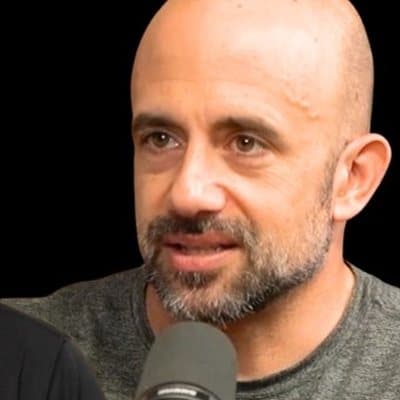
Venture capitalist
Key takeaways
- Charlie O’Donnell pushed the GM pension fund to back Union Square Ventures’ first fund. When GM passed, he emailed Fred Wilson asking what a venture analyst does and was hired as USV’s first analyst.
- O’Donnell credits Brad Burnham, the big-picture trend thinker, as much as tinkerer Fred Wilson for USV’s run, and says Josh Kopelman runs First Round like a company, inventing the VC platform model.
- His history of New York tech: the dot-com wave didn’t stick because there were no big tech employers to fall back on, then Foursquare’s 2009 financing pulled top-tier VCs into the city.
- He says cheap post-pandemic rents brought a young crop into Manhattan right before ChatGPT launched. The city’s next test is whether people can stay once housing and childcare costs hit families.
- O’Donnell is writing a book, Founder Unfriendly, with ChatGPT as an editor and calls it “98% me but better.” He wishes AI tools pushed thoughtful use instead of a sparkle button in every app.
- On applied AI, he cites portfolio company Imagen: its unlock wasn’t the best X-ray reader but a platform that lets independent practices offer on-site imaging and change their economics.
Transcript
Transcript generated automatically from the episode audio and lightly cleaned up (filler words removed, misheard names corrected where clear). Speaker labels were added afterward and may contain errors.
Rob May: All right. Hello everyone and welcome to the very first episode of the AI in NYC podcast. The purpose of this podcast is to talk about the things that are going on in New York in AI and particularly the things that happen at the intersection of those two ven diagrams. So to introduce myself, I'm Rob May. I'm the CEO and co-founder at Neurometric and I'm one of the hosts here today. And before we tell you a little more about our agenda today, I would would like to introduce my other co-hosts. So we'll start with Anna. You want to introduce yourself?
Anna Kirk: Sure. Hi, I'm Anna Kirk. I am founding chief of staff at a new fund called Nadia Partners. We're incubating companies in AI and energy. I came out of Stanford and have since done a little bit of everything across enterprise software, enterprise tech, so investment banking, product, but currently building an AI.
Rob May: All right. And then Ryan.
Ryan Eppley: Ryan Eppley, co-founder and CEO of RootAccess. We're an applied AI lab for heavy industries, helping build all different types of machines, tractors, bulldozers, tanks, and I grew up working on a farm in Eastern Pennsylvania since I was 12. So lots of fun and nostalgia coming back to helping build the machines I used to drive.
Rob May: Yeah, very different to move to New York City from that, which is something we'll discuss in a minute. So, before we introduce our guest today, we'll tell you a little bit about what we're going to talk about. We're gonna cover a little bit of the news of the week in AI, a couple interesting things that happened. Gary Marcus has an interesting piece out criticizing where LLMs are going. And, we're going to talk a little bit about some events that are coming up. And we'll also talk about Ryan and Anna have both spent time on the West Coast. So, we'll talk a little bit about why they moved here and why they chose New York. And then we'll interweave all of this with commentary questions and some stories from our guests today. So I will introduce him now. Good friend of mine for about I 20 years now. Have we known each other?
Charlie O’Donnell: Yeah. So it is 20 years. Yeah. 2005 is when I first found your blog.
Rob May: Yeah. In two 2005 Charlie O'Donnell and I were blogging online when nobody did that. And you still you actually had to install software and recompile it every time you wrote a post. And yeah, we've been through a lot of things together. Charlie was the I was Charlie's first VC-backed investment at my first company, Backupify. He was my first institutional investor. So we have some stories to tell about that. But the reason we want to have Charlie on today and we'll let him tell you a little bit about his background, but Charlie is one of the OG sort of tech guys in this modern wave of technology in New York City. So, I thought it was appropriate to have him on this first episode and hear some stories about the changes in the city and everything else. So Charlie, welcome to the podcast and why don't you give us your quick your version of your background just here as the token native New Yorker basically.
Charlie O’Donnell: I know that's my role here. So yeah, I grew up in New York. I've never had a non- New York City address. Actually, the longest period of time I've been outside of the five boroughs consecutively is three weeks. Wow. And I don't know why anyone would want to be anywhere else for longer than that. I was a VC for 20 years. Actually, I wound up in VC by way of the limited partner side of the equation. So people don't really think of VCs as having to pitch, but we do. And that money is on the institutional side from endowments and pension funds and you know family offices and stuff. And so I was the GM pension fund which had been invested in venture since like the late 70s or something like that and all the sort of top tier names. And we got a pitch from a New York fund in 2004. Actually, the funny story behind that, it was a placement agent who complained that we never took her companies. We never met with the companies that she was shopping around and we said, "Okay, fine. Whatever the next fund you have to pitch, we'll take a meeting with and it turned out to be Fred Wilson and Brad Burnham from Union Square Ventures." And it was so only
Rob May: Did you guys do it because that was a great fund, right? So, yeah, that fund is probably like a 20x returning fund.
Charlie O’Donnell: No, we didn't. Oh man, because it was too small. It was a hund00 million on the cover and GM's average check size for venture was probably around 40. And so at some point we debated whether or not we like put in 15. We figured you couldn't get a meaningful return from a $15 million bet. When it's a 20x return, you can get a meaningful return. But I pounded on the table for GM to make that investment. I was the lonely, lonely 20some year old analyst at the time and so nobody cared what I had to say.
But frustrated that I couldn't get that deal done, I emailed Fred Wilson and I was like, what's a venture analyst even do? Like what do I to get that job? What do I need to do? Do I need to get my MBA or get a computer science degree? And Fred wrote a oneline response. Want to come and find out? That was it. Wow. That's how I got hired as the first analyst at Union Square and 20-y year venture career after that my own fund. Spent some time at First Round Capital and really wayward three years trying to start a company and do this on my own. Realized I was pretty bad at it. So, I went back to venture which is you know when you have no usable skills like that's where you go. So, and I stopped investing, a little about two years ago now, and now I coach VCs and do some consulting for companies and run a bunch of tech events as well.
Rob May: Well, let let's start talking about the venture scene broadly and in New York. I think one of the things that's interesting is you have run your own fund and you also worked for probably two of the most successful people to ever run venture funds, Josh Kopelman and Fred Wilson. Yeah. Both of people very different people. Yes. But awesome returns early on some of the best companies you know and you've had the chance to work with a lot of other VCs sort of sitting on boards and everything else now like what do you think made those two people so successful despite being different? How are they different from other people and like what did you learn from them?
Charlie O’Donnell: So you can't talk about Fred Wilson and the success at Union Square Ventures without talking about Brad Burnham because they are incredibly complimentary to each other and because he wasn't a blogger and isn't as sort of public as Fed, Brad probably doesn't get enough credit for his contribution to the success of that fund. But Brad is sort of the, you know, academic trend follower, big picture. Fred's kind of a tinkerer. Any new technology that came out, he wanted to get in, play with it, download it, poke around. You know, obviously good at spotting trends and that, but you know, they really complemented each other incredibly well and USV has been at the forefront of a number of trends over the years, right?
Like not only did they get social and community right with Twitter and Tumblr, but to also be like first into Coinbase, like there just not a lot of I mean, right? Like I can't think of too many VCs that were successful at social and then were early to crypto. It's usually a completely different set of folks. Now you might have that within the same firm right places like Sequoia or Benchmark or whatever but it's usually like one partner was early to one trend had a success and then that lifts the firm and then it's somebody else right but you know they were really good at thinking about trends and things like like the fragmentation of search they did duck go they did Indeed they've done a deal they first deal that I was in as an angel that they did was consensus, which is like a LM based research paper search tool. Like they've had a 20-year thesis on that and it's crazy. Yeah, for sure. So, so you know, they come from a trend perspective, right? And it's a very thoughtful place to hang out.
It was a lot of fun being at USV. I probably made my best contribution there after I left because there's a you can you can go in Nick Bilton's Twitter book and there's a whole thread of emails back and forth and me and Fred of like I totally get Twitter now. I'm at Southpai in 2007 and you know it's blowing up here and you should look at this and you know that was that was that was my big contribution to the fund.
But I basically just watched them think and listened to them think for almost two years and it was like getting a grad degree a little bit, right? Contrast that with first round capital. Thoughtful people there, right? But Josh is an entrepreneur. Like Josh builds companies. First round's a company. First round's not a fund. It is. I mean, I don't know how many employees feel. You go to that page and there's a million there. There's people that are there full-time on the platform team.
They basically invented the concept of VC platform as we know it. They have various extended networks, angel track, all of this sort of stuff, right? And Josh is maybe the most competitive human being I have ever met in my life. I mean this is you know from venture like any time he perceived a even a hint that some other fund had gotten an advantage or there was something on the horizon that you know he'd lose sleep over and come back and what are we going to do about this? How do we get better? Constantly pushing and iterating and developing like I can never imagine him like not working. I remember seeing him at the Sixers game ringing the bell. That's what you do at the beginning of the game ceremoniously. I thought he was about to play. He was so hyped up. I put put a jersey on him. He was about to be on the court.
Rob May: I could totally see that. Right. He he came to my first board meeting cuz they they they backed my first company and the very first board meeting he flew in on a red eye, didn't sleep, and came to the board meeting and I was like, "Dude, we're like this brand new company. Like, you don't have to do this." And but he Yeah. Very serious.
Charlie O’Donnell: Yeah. For sure. So, so first round success is that of an innovative VC that was constantly, you know, they they they found a hole in the sort of small check market, right? There was a time where like just no one was doing small checks. I don't think preede was invented. Yeah. They didn't even call it preed, right? So, there was a whole wave of just small funds, right? And they they found a way to make that work. And then it's at some point you could say, well, okay, well now there are a lot of small funds and then what, right? And then it became sort of the platform thing of like, well, yeah, but we're the fund that you want to go to as a founder because you get all these other benefits and we'll be the most helpful and you know, constant pushing pushing pushing pushing. And I always compare the other two things I compare about those two funds is two models of thought leadership and visibility. Right. For a long time like Fred's blog was the visibility of USV.
Yeah. Right. And just this one person sort of lifted the brand of the firm. And so, you know, I was like Fred and then, you know, oh, USV Fred, right? And Josh actually plays down his like he could if he wrote as much as Fred did. I mean, he's incredibly intelligent person, but you know, Josh would write like two posts a year and every time he wrote, it would go completely viral and it'd be brilliant and whatever. And I would constantly nudge him, be like, "You got to do more of this." And you know he's more like the brand of first round. The brand of first round is the most important thing there. Not any individual person standing out above everybody else because it is like a company bigger than just one person. And obviously USV is bigger than just one person too especially now that you know Fred's sort of at a different working stage.
But it was definitely first round first like you wanted first round on your cap table and you know and I benefited from that right because oh I got first round and you go who'd you get you know Charlie said you know oh lowly principal or whatever but that's fine because I had extra credit from being at first round so but they're both great learning experiences and I think it's kind of funny now when you know I get introduced it's like oh Charlie got had a chance to work for two of the best firms and then he started his own which is you know clearly not in the same category but all right
Rob May: put the bar pretty high for yourself there.
Charlie O’Donnell: Yeah. You know I like to think I worked for three of the best venture firms in New York
Ryan Eppley: but I guess putting both of them on a spectrum where do you think you fall within that spectrum as a operator founder investor?
Charlie O’Donnell: Definitely not an operator. Yeah. Like I do not like managing. I'm a terrible boss. Like I mean I think I'm pretty fair, but I just I it's not something I want to put into time into. I'm actually just not a great team player. Like even the sports that I play are all like I play softball. It's like turn by turn, right? You hit and then the next person hits. You know, you catch the ball when it comes to you. It's not like, you know, a big team dynamic. I play ice hockey, but I'm the goalie, right? So, the guys in front of me do a bunch of things and then, you know, when they fail, then it's up to me. But, you know, I sub in for teams where I don't know any of the guys' names and you know, sort of very solo player and contributor and not great at being a CEO.
So, yeah, probably more of the USV model, but I will I will say one thing that I've learned that sort of dovtales into what I do now. I've always been focused on community here and tried to do things because when I was at Union Square, I came from the General Motors pension fund where we had the Bloomberg terminal and research partners on tap, right? 18 billion. Yeah. Like you just call up some street analyst and they would tell you whatever because they wanted the soft dollars in trading and you know, however that works. So, I show up at Union Square and here's your internet password and have at it. Have at it, right? And I was like, okay, I don't know anything basically. And so, very quickly I was like, oh, everything that I need to know is in the minds of other people who I need to get to know some tech people because I was like a finance guy.
And so I started building community in New York and that's always sort of how I raised my fund and between a weekly newsletter and this next NYC group that I started running check event shake yeah it's invite only
Rob May: I don't know when this podcast when did you debut your fund your first one
Charlie O’Donnell: first fund was 20 end of 2012 so I've been trying to gather community here in New York for even well before that. But when I stopped investing, it was actually the number one thing that people asked me about. Not, oh, what a great loss of this fantastic venture fund is no longer writing checks.
Rob May: Top three in the world.
Charlie O’Donnell: Yeah, top three, right? But hey, all of this access that you created with this community, like are you going to still do these things? And not having the management fees of a fund to sort of subsidize it. It went back to a bunch of partners, you know, banks and law firms and accounting firms and said, "Would you help me continue to do this?" And so that's what NextNYC today is 40 odd events a year supported by sponsors, but it is effectively the Brooklyn Bridge Ventures community and events platform just separated from the fund and investing and it's been great because it keeps me in the community. It's how I've built this venture coaching practice because I run events with VCs and we get to talking and somebody starts complaining about the main partner of their firm and I empathize with them and now I have a VC coaching client from it. Right. So, it's highly lead generated.
Rob May: And so, how during that time, you've been doing this for a long time. How have you seen the New York City tech scene change? Right. As we're talking about New York as a clear leader, I when I when I did my first company and you were trying to get me to move here, I moved to Boston because Boston was still in 2009 a bigger startup scene for technology than New York. And that's not true anymore. It's New York is a very very dominant compared to Boston. And when you look at AI, it's probably the second biggest AI hub in the world, which is kind of what we're what we're talking about. How how have you seen a change? And like what do you think the catalysts were for that?
Charlie O’Donnell: So, first of all, when we wrote that check for Backupify, I went to you and I said, so you were in Kentucky at the time, Louisville, Kentucky, Kentucky, which is a lovely place. I came third largest hub. Yeah. Not a place to do a tech startup, but and I said, "Look, Rob, First Round has, you know, there's basically three, you know, startup cities that, you know, you can be choosing from because, you know, First Round is your lead investor here. They have an office in Philly. Obviously, I'm here in New York and then there's Boston and you pick Boston away from your investors.
But you know, I think of it in terms of a couple of phases, right? Like you had the dot era, but that didn't stick. And it didn't stick because New York hadn't developed large enough standalone tech companies for everybody to retreat to when the startup stuff blew up. Yeah. Right. So you could be in the valley and when that all blew up like you could have still worked for Google, Amazon, eBay, you know, all of these other companies and there are companies that you know had been around even you know AutoCAD and you know Juniper Network like Cisco right you can go work for Cisco right here there was just no place to go but the internet continued to grow. So where people retreated to is the agency that built Nike's website, right? And the bank that now had to build a, you know, an an app or digital offering or all of that sort of stuff, right?
Rob May: Became mercenaries, not product visionaries.
Charlie O’Donnell: Right. Right. Right. Exactly. And so there was still tech people here, but they were building for bigger sort of mostly non- tech companies and advertising was a big thing and media, but so they're building sites, but not not innovating, right?
And then come 2004ish, tech becomes easier to build, you know, web 2, open web and all of that sort of stuff. But there was a period from like I would say 2004 to 09 where people were like this New York thing is temporary. We've seen this before. This isn't going to stick. And most people assumed it was like driven by the financial sector, right? So in 2008, the financial crash, everybody just assumed, oh now New York's going to go away again, right? Because you know if if the finance guys are out of this thing, that's where the angel money was coming from. This isn't going to stick.
And I think it was largely the Foursquare financing that Foursquare was the hottest deal in 2009 and it was this mobile social consumerry, you know, next Twitter, if you will, right? And everybody was like, "Wait, wait, that's a New York company." Like everybody that had all the markings of a Silicon Valley company. And so all of the sudden it was like you had these top tier firms going after it after the four square financing. I had a bunch of VCs in my inbox like oh seems like there's interesting stuff going on in New York in town. You want to grab coffee? Yeah. Exactly. Right. Because there were maybe like four or five people that you could say were the most tapped in people to the New York ecosystem. And I was I was on that list and a couple of other people were too. And we all got picked up. I got picked up by first round 2009 to try and plug into this ecosystem and we kind of like off to the races and grew from there.
I think the pandemic is another marker because things really like got disrupted and changed over, right? You had this weird thing where New York was a very in-person culture, Meetup oriented, might have been the most impacted city in so many ways in America. For sure. And I would say a third of the people in the tech community like moved out, right? Even just the suburbs or wherever, right?
And then you know the pandemic like things didn't get back to normal for like a couple of years. And if you had like an in-person early stage startup community, three years later there's huge upheaval because like most of those startups just don't make it, right? So you're not going to have the same people. So, if you went to go like restart your community in, you know, 2022, you had crickets when you emailed that list, right? Because a lot of those people were gone or they're startups and employed Miami, they moved to Miami, right? They became crypto bros or or whatever, right? But then actually during that time, you had this like influx of whoa, these are the cheapest apartments I've ever seen in New York during my lifetime. Now granted that was from some 23-year-old whose lifetime is very short but still crypto took off here consensus and Brooklyn crew and you know whatever and you know kids right out of it was the first time in a long time that I had experienced kids coming out of college moving into Manhattan like that was just not because of the cost of housing whatever that hadn't happened in a long time right and so people were taking advantage of like a temporary temporary dip in rents and all this sort of stuff.
So you had this like changeover, right? So by the time like 2022 2023 came around, it was like a real excitement from a crop of new younger interested people right at the time that you know when was the ChatGPT launch and you know sort of the timing was right of like you know if you were young and ambitious and anchored in and newly anchored in New York and this wave is coming that's a perfect opportunity and you had enough of a structure and an ecosystem.
You by then you had data dog, you had these big anchor companies. You had anchor companies that had gone public. You have lots of VC firms. You basically have I can barely think of a West Coast VC fund that doesn't have a deal here, right? Like almost every single like I run this this one day conference. We're get about a dozen check writing series A VCs to come and spend the day with like 60 companies and we got a lot of out of out oftowners who come because they have board they have companies here they have board seats right so everyone comes to New York I used to make a trip out there once a quarter when I was a VC and at some point I would email them and they'd be like actually I'm coming in next week so there was just no point to going out there if I wanted to network with West Coast VCs half of them probably have apartments
So, I think that, you know, really took things to another level. And I think the thing that really drives it more so than anything is like, I mean, I'm biased, but it's a pretty great place to live. Yeah, it really is. And if people don't understand like like my parents will say like, you know, I saw on the news this thing happened on the subway, and I'm like four million people a day ride the subway. Like, just statistically speaking, it's actually safer than most places.
And there's an interesting thing about reported subway crime because it's pro if something happens in a subway car, how many people are in that subway car at the same time or on that train, right? So you have a densely packed group of like, you know, somebody gets, you know, beat up in a, you know, subway train, right? Automatically there's like 500 people who are witnesses, right? You've never not seen a video on Twitter or wherever where there's like people, you know, hopping in afterward trying to help or something of that nature, right? People don't witness crime in Wyoming because there are no people there and two literally a mile apart from each other, right? And so there's a there's a an exaggerated effect of things that are reported and you know something could have happened on the train before you, but like it doesn't it didn't happen to you actually, right? Like I've grown up in New York like I've never been mugged.
You know, I've never, now granted, I'm in a very privileged group of straight white dudes and all that, but even you're also a relatively large guy, so you're not an easy target. But still, I mean, you know, I took the train. I took the subways for high school from 1993 to 1997 and didn't witness a crime. Yeah. And that's, you know, people don't see that. They don't think that New York is like that.
The other thing I'll say about New York, and not to be too worried about it, is I think New York is also very hackable in a way that people don't realize that people from the West Coast will say, "Well, I don't know if I could be in New York because I'm really outdoorsy or I bike or whatever." It's like, "Yeah, I'm part of a the Brooklyn Triathlon Club, right? And people figure out, oh, you know, where do you swim? I swim here, you know, and where do you bike? Here are the paths." Like there's there's a niche community for everything. There's this I was in Dumbo last night and there's this big paddle paddle, you know, place or whatever that's the thing, right? Paddle and monster space that they they've got going there. So everyone like figures out a way you know I was pointing out to somebody like the pricing of housing like on the other side of Prospect Park. Oh, that seems so far out. I was like, well, actually the Q express train to Union Square is like 25 minutes from there. It's literally only like three stops, right? So, like that little niche is actually quicker to get to Union Square than like if you were living in Dumbo, which is just closer. So, you figure out your space and your people and where you want to be and a lot of people make it work.
Rob May: Well, I mean, you've got two people here that moved here from the West Coast. I mean, what do you guys think? Why did you What neighborhood do you Why did you come and why did you stay?
Anna Kirk: Yeah. I'm Upper West Side. I'm so proud of my neighborhood, 87 in Columbus. It's my favorite place in the world. I moved here in 2019, so I can't say I had your experience, but I had a solid eight months. I stayed. I stayed for the whole thing. And the reason why is because there was always a sense of humanity here. And you don't necessarily get that everywhere else in the world. You didn't get that in 2020 if you decided to have a pod of people and live in Park City, Utah. I could go outside and know that my fellow people were still around me and that really mattered to me. So, moved here in 2019. Before that was in the Bay. The real reason I moved here is because the bars closed later and I hated that there was no nightife in San Francisco.
Rob May: It's a legit reason.
Anna Kirk: It's a legit reason and I still stand by that. 10, right? I went to college in San Francisco and I was like, you close at 10. What was your experience with SF?
Ryan Eppley: I feel like I mean I loved SF. I would I would never trade my experience for SF, but man, I don't think that's like the place where you build a life, right? That's a place you go to maybe explore for a couple years, but I think you build a life in a in a city like New York. There's just so much more to do in not just activities, but in just I think the rawness, right? There's just so much more to experience so much faster. Not just the density of people, but the density of almost awkward moments that like you're like looking back in years later, you're like, man, that that makes you, you know, I've already felt like I've lived multiple years here. And I only moved here 2024, so it's been a year and change. I feel like I've been here years now, though.
You know, you just start to move around the city so much more authentically and you know, you feel like you're, oh yeah, that's the place that, you know, I went to the bar with my friends and we went back there. You don't do that as much as a culture in San Francisco. You go to the parks, you go see the ocean, it's beautiful, but there's something raw and gritty about New York that you just you really get either in love with or you move away very fast. You know, it's oil and water very quickly. And I think people like the oil here.
Charlie O’Donnell: You earn being a New Yorker in a in a way like and I'm not saying this like BS like what's who's a real New Yorker list. But it's feels like it takes something to make it here and people have a pride in that.
Rob May: Yeah. Do do you remember what you told me when you tried to get me to make move here initially? You told me you said, "Rob, you're going to end up here someday because all the people in the world who are the best at what they do or trying to be the best at what they do end up in New York for at least a significant period of time." And I think that's true.
Charlie O’Donnell: That sounds like me.
Anna Kirk: I think there's there's a level of shared humanity here that I really appreciate. Like you are forced to live on top of each other whether you like to or not. And I always tell people like if you live in New York, people are either going to tell you they're either going to give you the shirt off their back or they're going to tell you to go yourself, but at least like you know where you stand.
Charlie O’Donnell: Yes. There's also I think a the neighborhood thing and the connectedness is a thing that you don't see from the outside. I purged a bunch of like baby things and whatever from my apartment and we have a buy nothing group in our neighborhood and I like to write and so maybe it's based on like the Seinfeld Jay Peterman catalog, you know, sort of running joke, but I would start, you know, I would give away some, you know, you know, baby toy that she never used and I would write like two paragraphs on this, like really like put way more time and effort to this and it became this running thing on the By Nothing group of my tales about these ridiculous objects, right? And I bumped into people around the neighborhood who recognized me from the group. And I'd be standing, you know, online at the local deli or in Union Market, whatever, and they're like, "I'm sorry, this is going to sound really weird, but are you the guy in the buy nothing group?" And I was like, "Yeah, I am." And they're like, "Oh my god, those are the best posts ever." Like, I really I sent it to all my friends or whatever. The thing about the kids fake smartwash was the funniest thing ever. Whatever. It's like that kind of thing. It's like
Ryan Eppley: Well, I've been hearing this from a different angle. So, we're we're hiring right now. Yeah. And I would say a third of our candidates are living in the Bay Area and they specifically are looking to come to New York. I know I want them to believe that, you know, where I tell myself that they love the company and the mission, things like that, but I know under the hood when I really ask them the questions, they're like, I really want to live in New York, you know? So, there's something alluring specifically right now.
You've seen it over the decades, but there's something really magical happening right now where you get top talent in the West Coast saying, "Yeah, I've been here a couple years, but man, I keep seeing what's going on in New York, whether it's on, you know, line or through friends, word of mouth. I want to be in the scene in New York now." That's something that I've hadn't heard when I was in San Francisco. None of my friends in San Francisco were getting jobs in New York or starting companies in New York 10 years ago. But now, I feel like a lot of them are thinking about relocating. Maybe they have a kid, but they don't want their kid to just be in the Bay Area. Maybe they're thinking about what the what the East Coast has to offer. And New York is by far when you think East Coast, you think New York.
Charlie O’Donnell: Now, the challenge that New York has going forward and without diving into politics and the mayoral election and all of that sort of stuff is can you stay? And that's a big question, right? If you are going to build a family, if you're going to have two kids and cost of housing and obviously cost of housing is crazy everywhere, but right the amount of supply and what type it is and childare and all this sort of stuff. It it is harder and harder to make work as you get older and build a family. And I think there's a real challenge of keeping a family here, particularly if you're not making AI developer, you know, money. And that's
Rob May: you're not getting offers from Zuck for
Charlie O’Donnell: Exactly. Right. But that's the thing that the Bay Area experienced is it's not that the tech people can't afford to be here, but if the person if your barista can't afford to be here and they can't hire and they're underst staffed, like that affects the rest of the community. When your favorite restaurant closes because they're always short staffed and then the service goes down or whatever and it's just literally because somebody can't live within a reasonable commuting distance from it. Like that becomes a big problem. I think a lot of cities are having that problem is particularly acute here.
Rob May: Well, let's move into some of the AI topics for the week. We got about 20 25 minutes left and feel free to comment on these, but do you guys have a favorite one you want to kick off?
Anna Kirk: I think we have to start with the MIT study. I've been thinking about that all week. One of the big stories from this week is a study out of MIT that found that students using AI to write essays actually showed, and I'm quoting here, weakened neural connectivity, impaired memory recall, and diminished sense of ownership over their own writing compared to those who wrote on their own. And the researchers described that as quote unquote reprogramming the brain. I'll start maybe we'll start with Charlie, but would love to open this up to the group. First of all, like let me caveat that was a sample size of 54 students. So, it was done in an educational context. Do you think that's applicable to a broader group of people? Do you think that's applicable to the workforce, developers, enterprise adopters? And then my second question is, does that even matter?
Rob May: I you know why it matters? I'll just interject here. Charlie said something earlier that I think is really true and this is has to do with how we met. He likes to write and I think for the same reasons that I do and you and I started writing like it helps me think and that's why I don't use LM like I use LLM when I'm like I don't I just need to crank out this piece of marketing content or whatever but like for my I write this newsletter investing in AI and I just write it because I like to write it. I mean, is that part of it for you? And like how how do you think an LLM would
Charlie O’Donnell: So this is particularly timely for me because u I'm writing a book and it's called Founder Unfriendly.
Rob May: Sounds appropriate for what I know about you and we're just going to tell we're going to tell a story about how founder unfriendly Charlie was in a bit.
Charlie O’Donnell: So it's about hard truths about fundraising and starting a company. But the way that I have been writing it, I fed my book proposal into ChatGPT and a bunch of chapter titles, just titles that only I would get the inside joke or whatever. Just here's a bunch of titles. I kind of knew what they were. At least I thought I knew what they were. And I said to ChatGPT like, "What do you think this chapter is about?" And it would give me a guess. And sometimes it would hit it on the head and sometimes it was way off. And I do a few iterations and it's like no it's actually less of this and more of this or no it's not about that you know and I did iterations for each chapter to get a summary just to lay out like okay now I have summarized each of the chapters and it makes me easier to figure out like then I would put all the summaries in together and I'd say if you were an early stage founder what is this missing and what order should these things be. So, it made it so much easier to write the book once I had the summary as a prompt.
As you can tell, I talk too much and I write too much. And so, I will then write the chapter and feed it back in and say, cut this down to like a reasonable amount of writing that somebody would actually read and give me feedback and all that sort of stuff. So, it has been an incredible tool. And there are occasionally times where I'm like, can I just get a paragraph about explaining what safes are? Like I this is not this is commodity. Like why I'm not going to have a unique take on what a safe is. And so that's a short
Rob May: you could write it J Peterman style and then the J Peterman guide to venture in the in the wilderness of the you know Serengeti and then a safe appears out of nowhere.
Charlie O’Donnell: No. So but for the most part it is 98% me but better because of it and I just don't think that we are teaching that yet but I do think the speed in which institutions are adapting to it right like this thing I mean we're talking about a tech that is 2 years old and I think for the most part most of the universe iversities and high schools are like they might not know how to teach to it, but the cat's they're all aware that the cat's out of the bag, right? And some of them and most of them are basically saying like how do we how do we teach kids to use this as a tool and teach kids pride in their writing and the value of ownership and the value of how it's a thought, you know. It's a way to improve your thinking.
Ryan Eppley: I don't know like as as I think on it right now, it's like when else have people gotten lazy and it was like they thought it was a good innovation. It's almost it's almost like you've seen those things people wrap around their stomach to get abs and it like shocks your abs. It's like, oh, you don't got to go to the gym anymore. Like just wear this thing. I think that's a terrible thing. I think you should go to the gym, right? And this is the case.
I think it's more geared towards those that are still developing their ability to critique their own thoughts and work through challenges. It's more of a development challenge that I think this is like targeting. You've been writing and you've been having deep thoughts for quite some time. But the 19-year-old that's like still forming how to construct a thesis in an appropriate manner, I do think there is like a lot of potential harm there. You know, especially when you think at a macro level, even if it sways it a little bit. I think I think there is a lot of damage to say, I don't know what to do about that, though. You know, I think there is a lot of use and excitement. I think it's beautiful in a lot of ways, but I do see the laziness. I think laziness is like the key thing I'm concerned about. I think it can be such a beautiful tool as long as you are pushing towards independent thought and authenticity. I think I'm I'm an optimist at heart, so I like to think this way. But in terms of the optimistic take on this, I don't know, Rob, you got, you know, two kids in their teens right now. Like, how do you feel about have they use it in their schoolwork? Do they tell you're using it in school work?
Rob May: They do use it in their schoolwork sometimes. And the schools put rules around it. I think the good schools. But yeah, but I would not use my kids as any good example for I am an unus I have a we'll do a we'll do a show. We'll have Charlie back on at some point along with some AI parenting thing. We'll have a we'll have a parenting show. And my kids may get taken away from No, I'm just I'm I'm very much a freerange parent and I've taught them to be skeptical and but this is what I teach them, right? I teach them is like you should do things for the value of doing them sometimes. I don't know if any of you guys have ever read the book Zen in the Art of Motorcycle Maintenance, but you know, he talks a lot about like taking apart the motorcycle and doing the maintenance and why it does it itself and how it's a it's a process and it's an important process and I don't think you want to rush everything and I think you can overoptimize many things in life if you're not careful.
Charlie O’Donnell: So, one of the things I think I go back to, so I make this zenial argument over the time about like media influence. I was like, well, I grew up on the A team and everybody constantly shooting and, you know, and all of that sort of stuff. But I think the difference between like TV and other forms of media today versus when I was a kid, when I was a kid, there were like seven channels and I would go and turn them on. My there were no rules around television, but television was sort of self-p policing in that occasionally there was nothing on. There was nothing.
Rob May: It went off at night.
Charlie O’Donnell: Well, well, no, no, fuzz. Do you remember that? Well, yeah. Yeah. We had shows. We're not I didn't grow up in Louisville. So, so, but no, there's nothing worth watching to a kid, right? So, you turned it off and you moved on to something else. And now, like my four-year-old knows that we can just ceue up any animal, penguins, whatever at any time. She is fully aware that there's no world in which I can say the magic is expected. Penguins are not on right now. They're always on and available and it's in my hand, right? Is she knows the phone is in my pocket and it's pervasive. And I think the thing with AI, every single app has a button that is sparkling. This little diamond in the corner like you could type this document, but why don't you use Gemini or why don't you and I think that is hard to your point about, you know, getting it's not even lazy, right? The apps want you to use it. They are encouraging its use case.
Ryan Eppley: And I think it's the reward cycle too because when you work hard at something and then you become successful but it took a while, you're very proud and it becomes a part of your identity. And I think there's a thing about identity and challenge that I just humanly core believe that you know we've all developed skills and we're proud of those skills. Once AI starts to make it easier to feel like you have those skills but you haven't had to work hard at them, that's a weird positioning for you to have an identity around. Yeah. Hi. Hey, I'm very good at vibe coding. Are you a great developer? You might say you are, right? You know, but have you worked hard at becoming that?
Anna Kirk: That's how I feel about DJs. You didn't make the music. I know that that's going to piss a lot of people off that I said that, but that's how I feel. They all They all sound the same to me when I'll support them. I've been around some bad DJ. I've been around some good DJs. You know, very fast which is which.
Charlie O’Donnell: Yeah. I think I would love to see more of the tools take a this is actually a thing that this this it's a little bit of like tech libertarianism and we put a platform out what people do with it is their own thing right like we're not taking a position of what is the best use and the not as good use of this and I really do wish that some of these companies would take more of a position, right? That whoever the PM on Google Docs is instead of just saying here's, you know, I'm incentivized for people to use Gemini, so I'll just make it easy for them to use it, say, you know what, I think it would be better if people were more thoughtful about the document that they were trying to produce. And I'm going to encourage people to go down a use case line. That is, what are you trying to do here? Oh, I'm trying to write something. Cool. Did you consider blah blah blah blah blah? Like, let's let's have a 10-minute conversation with Gemini before you start writing. And it's like, great. So, I've helped you organize the outline. Now, go do it.
Rob May: You know why that happens, right? So, so I was in engineering, electrical engineering, undergrad and in engineering school, every engineering division except computer scientists, electrical engineers has to take an ethics course because if you're a civil engineer, you have to take ethics because you can't be like, "All right, you know, if we use half as much concrete, we'll save some money because like the bridge falls down, the building falls over, right?" and so I think people just don't if you get a computer science degree you just don't even like look some of these things have complicated answers and we don't know the right answers but you don't even have the thought of should we be making this in the world for this way. It's like it just never crosses your mind because you didn't have a class on it. So I'm a it's part of the reason I'm a big fan of a at least some liberal arts education.
Charlie O’Donnell: People don't think of like a building falling down is a very concrete example. Oh, you had to do it. Dad jokes, right, of like a problem. Yeah. But teenagers addicted to smartphone. I mean, the Atlantic maybe six or seven years ago ran this thing about like teenagers, you know, teen pregnancies down. They don't get in fights and do the stuff that teenagers do because they don't see each other. They lay in their bed for they talk about a girl like laid in her bed like 17 hours a day, 18 hours a day, right? A divot in the bed just on her phone like Yeah. People don't think of the consequence. The consequences feel less tangible. It was, you know, it was nice when we were growing up to be able to like be somebody in high school, leave that life behind, be somebody new in college. Leave that life behind and like be a grown-up and not be tied to like, oh, you were the Kegstand kid for the whatever like that you probably have for the rest of your life now. If you're like 19 right now, shouldn't be doing keg stands because it's illegal at that age.
Rob May: Ask, are you the keg stand kid? We'll edit. We'll edit.
Charlie O’Donnell: No comment. And we will we will never have friends of mine from high school or college on the show.
Anna Kirk: I guess the question and my followup to you with that is there a way to do that? Like is there a way to encourage responsible usage and make sure that users are stopping and taking a beat before they're reliant on the output without becoming overly prescriptive or without in introducing the developers bias? Like how do you do that in a way that also keeps the platform open to different types of usage, open to different types of thought?
Charlie O’Donnell: I think it's something that you sell to somebody who is invested in the outcome whether it's a school, a parent, a you know like here's a vertical tool here. Here's the best tool for writing papers. And it's the best tool for writing papers because it's actually going to get your kid to write and become a better writer and a better thinker. And that is a sales proposition. Parents will buy into, schools will buy into. And they would prefer that versus do whatever you want on the Google apps or whatever. And maybe that sort of forces their their hand, but ultimately like kids need a guide somewhere and somebody else is putting the stuff in front of them for the most part, right? Like you your kids pay in their own phone bills now, right? So, you know, you do have some influence, right? Yeah, parents should parent, teachers should teach. We should remember that kids are kids.
Rob May: And I want to jump ahead. We only have about five minutes left here. I do want to talk about one more article on the AI side before we wrap up, which is our buddy Gary Marcus is back who's a very common AI skeptic and has been for a long time particularly about LLMs. And I'm curious what you guys think about I would say even as soon as six months ago, maybe nine months ago, people still believe like model scale is going to solve everything. We're going to we're going to have AGI by getting more data, more training, and everything else. Gary Marcus has been saying for a long time LM aren't going to get us there. And he wrote this piece now since GPT5 came out with a bunch of examples that I think are really starting to show that. So curious what you guys think about AGI and LLM's particularly you know here in New York AGI isn't something we talk as much about. It's sort of an obsess obsession in Silicon Valley but a little more applied here.
Ryan Eppley: You know, I would want to imagine that we haven't cracked the architecture to get to AGI yet because if it if it is now, it's just about throwing money at it. And it's to your point, just a pure data play and a pure human resources to kind of cultivate that. I think we have to be at least one step function away from a true path to this AGI. I think what we'll see is this weird kind of architectural play for at least the next two years. We'll see. It's moving so fast, but I think I tend to agree with him on the long term, but I think in the short term, we'll see an incredible amount of value created in cultivating our current architecture of LLMs. There's so much to be done still. Like as you pointed out, we're we're two years into this explosion of applied AI and LLMs are absolutely driving all of the horsepower to this becoming value creation for real business use cases.
Anna Kirk: I actually I had I agree with you. I had pretty mixed opinions on this article. I thought that he was very general when it comes to like pinning AGI as our north star and if we have not achieved AGI and if ChatGPT 5.0 know had some like shortfalls. It means that LLM suck. And like one of his one of his passages he talks about conaman who's I studied econ and I love conaman so I'm an evangelist of him but he talks about kind of the paradigm around system one versus system two thinking and says that humans have a tendency to either bucket their thinking into system one which is like quick reflexive and automatic driven thought with uristics or system two which is much more kind of contemplative much slower much more deliberative thinking. And then he says,"Large language models which are a bit like the first system try to do everything with a single statistical approach but wind up unreliable as a result." Like I don't think that's necessarily true. I actually think if anything they follow the same paradigm you can have models that are quick to decision, quick to deliver outcomes. You can also have models that are a lot more deliberative over a longer period of time. Like that's why we have latency constraints.
So I think just because we haven't achieved AGI doesn't negate the power of the technology and I think we're just seeing a lot of that adoption start now.
Rob May: Yeah. The reasoning models are still very similar to structured LLM.
Anna Kirk: Yeah. Ex. Exactly.
Charlie O’Donnell: I also think too that there's a you talked about AI being applied here and that has for a long time been New York's thing is applied to a real customer like and it reminds me a little bit about the conversations that people have always had about like crypto and onchain that at some point you have to transfer back into reality right there's this great debate between Sam Lessin and one of the Flatiron health founders whose name is escaping me. I don't know why, but and they were talking about Zach they were talking You were going to let it go. You're like, "No, I'll pause until I get this." and they're debating ownership, real estate ownership and like title on chain and you know Zach saying like at some point if you don't pay your mortgage like the sheriff has to come to your door right like he's like there's no contract there's no smart contract that can kick you out of your house right like a person has to come to your house and there's some transfer there and I think The same holds true for for AI.
It at some point has has to get applied in some way. And I think back to like one of my portfolio companies, a company called Imagen is amazing at analyzing X-rays and other imaging. And they were very early to building the best trained version of that using teams from the hospital for special special surgery, right? They had the best access to images from the best doctors and all of this sort of stuff. But the real unlock for that company wasn't building the best reader. It was understanding the business environment around it and realizing that to be a general practitioner and an independent practice is really tough to make a business actually, right? And imaging is highly profitable. And so instead of being software that does imaging better, they decided to be a platform that enables your local independent and even you know larger practices to cost effectively offer on-site imaging. Like you give them a room and they roll in a bunch of rental equipment or whatever and then have their tools sort of you know at the at the mothership sort of reading the stuff in the background and it changes the economics of running a practice as a as a doctor right so you can keep pushing on the tech but unless you have somebody saying oh well actually the right way to apply that tech to make your end customer more customer more profitable is this way.
Sarah Tavel writes about the sell the work, right? It's not about pushing the limits of the tech. It's just figuring out like what business model works for this end customer given the technology and that there's still lots of gaps in this, right? Where you pitch a customer with the tech and they're like, "This doesn't do anything for this doesn't make me more money or you know, yeah, this is tech. You say I can replace somebody, but actually this is 80% of this person's job, but it doesn't do 20% of their like I'm not going to fire, you know, Flo who runs the office, right? Cuz she does a million other little things that like yes, I can maybe replace part of her job, but there's a bunch of stuff that we wouldn't be able to do. And the tech isn't going to replace that. So now I'm buying something, but I'm not actually saving any money. So I think that's the gap and that's where I feel very strongly about like New York's ability to find those those economic advantages for customers.
Ryan Eppley: Yeah. And the theoretical side is on the timeline. It's either we're going to find a way to break through a new architecture and that's going to be the game changer that gets us closer to AGI or it's we're going to continue to refine how LLMs work with the data and we're going to have the compute capacity whether it's quantum coming into the picture in the next five years in a really applied way to these massive amounts of computational workloads with current LLM architectures. I don't know which is going to be first to the ball game, but either one of those things happening in the next five years will create a tremendous shift in what we can do with AI. That tr to me is the if or end.
Charlie O’Donnell: By the way, I know made a really interesting comment on this and I'm just going to throw a monkey wrench into this whole thing. Did any of you see the Hunter Biden interview? Yes, it it I did not. Okay. So, like this is a guy that we have heard about more than we'd ever want to know anything about any human being that you know and I'd never heard him speak, right? And he gets interviewed and he's I don't know even why they started asking him about, you know, tech and AI and all this sort of stuff, but he had a really interesting perspective on it.
And he was basically like at the pace that this stuff is changing, it is going to help us figure out nuclear fusion like that it it will help us tackle some other technology, right? Whether it's the protein folding or anything else like that. And that is actually going to be the big unlock like not just the AI for AI sake, but if AI helps us like unlock energy, well then that that really changes the game for humankind quality of living like how our our our you know society is structured, right? And so like that's something I really hadn't thought about like what will this enable us to do? Yeah. Self-propelling. Yeah. Yeah. That is not just a way that I could use AI, right? If it helps us solve energy, like that's a game changer.
Rob May: Well, clearly, you're trying to get yourself back on the podcast because now we have to come back on and talk about that. So, probably you should pick somebody who's a lot more knowledgeable about than about fusion.
Charlie O’Donnell: Yeah. I'm a generalist VC, right? So, I tend to know a little bit. Yeah. Yeah. Exactly. Wikipedia level knowledge of everything.
Rob May: Yeah, exactly. Exactly. Good. So, we've decided we're going to wrap up the podcast, every episode by with some kind of best or worst of New York. And so, today for this first one, we're going to talk about favorite New York movie. Guest, you're up first. You want to tell us? You seem excited about this.
Charlie O’Donnell: So, most well-written comedy of all time, Ghostbusters.
Rob May: No, you can't pick mine. You can't do that. I literally went through an entire list and I said, "This is iconic. No one will pick it though."
Charlie O’Donnell: There had been a long time since I was a kid that I hadn't watched it and then I went back and rewatched it and it's pretty good. Every the dialogue is pretty good for every line in the movie is well written. It is like much sometimes you walk the streets, you're like, "Oh, I recognize that, right?" And so, the characters are iconic New York, they're just New Yorkers. There's from the mayor to, you know, they nail it. They nailed the dress style and everything. They nailed the New Yorkness of that time.
Ryan Eppley: You know, I consider it a New York movie. I think Armageddon is just one of those movies that is so outrageous. It's just like what are we talking about? And it starts in New York and it just it's the right right movie for me if I have to go with a second backup option.
Anna Kirk: See, I was going to say The Day After Tomorrow. But for a different reason. I love JJ Jake Gyllenhaal. I'm sorry to my boyfriend if you're listening to this, but I was going to say serendipity because I love Kate Beckinsale. So, that movie them going around the city missing each other so many times is, is really good.
Rob May: Anyway, Charlie, thanks for being on today.
Charlie O’Donnell: Thanks for having me. This was a lot of fun.
Rob May: And, all of you out there, thanks for listening. Do all the things you're supposed to do, please. Like, like us, subscribe, give us five stars. Unless you don't like it, then just don't listen again. And yeah, we still get points for engagement if people leave angry comments. That's still a thing. Rage bait. Yeah. Leave a funny comment. We'll maybe we'll read it on the show if we see it. And yeah, tune in next week to hear all about the most interesting technology that is probably ever being built in the greatest city in the world. Thanks. Thanks for listening.